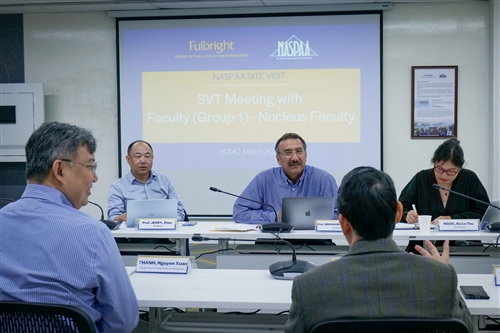
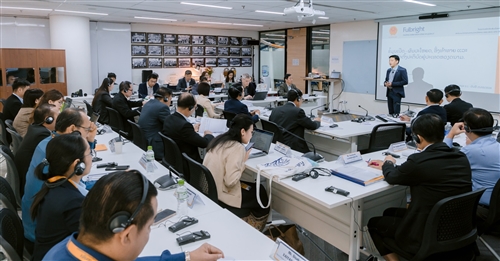
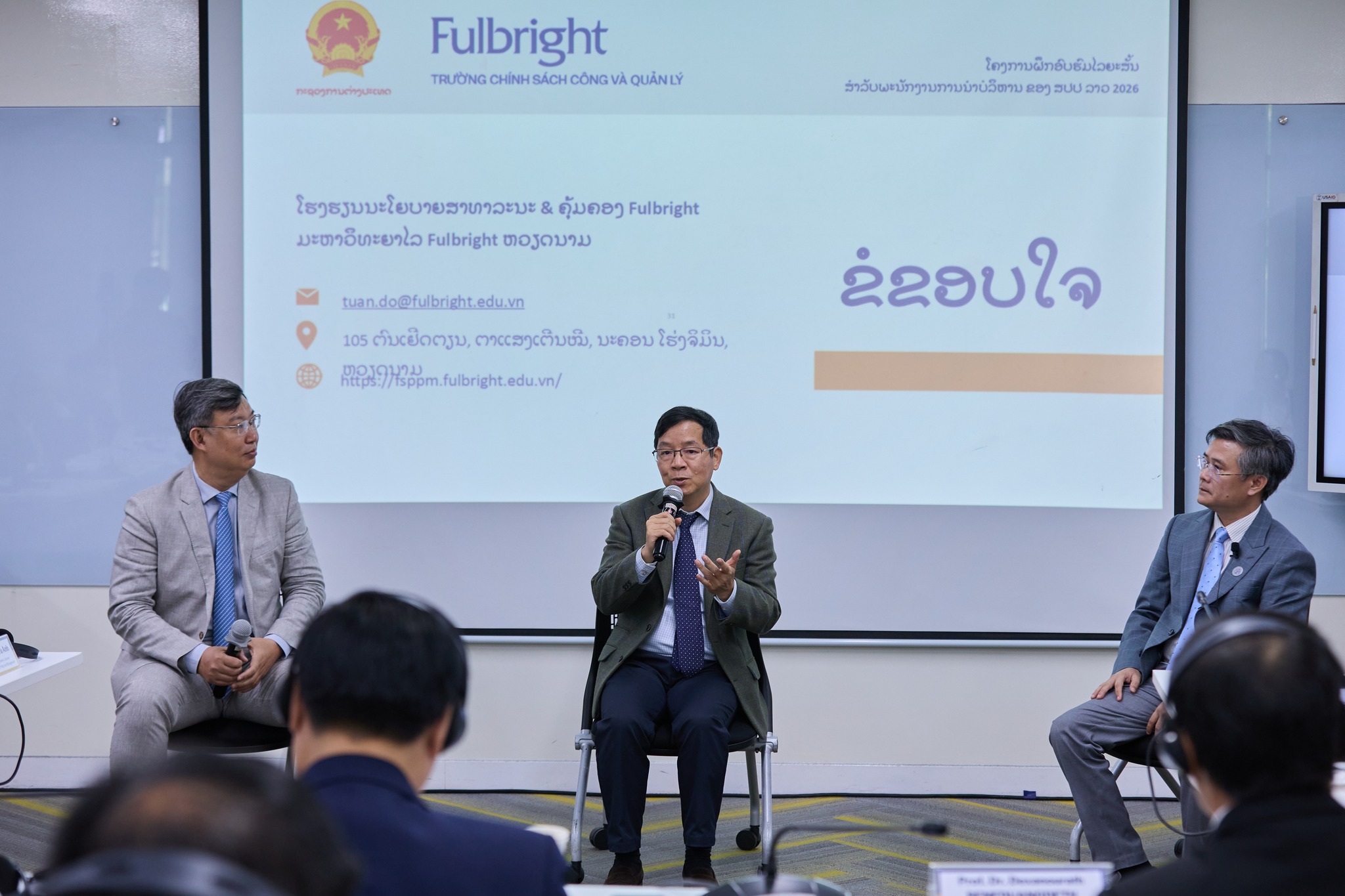
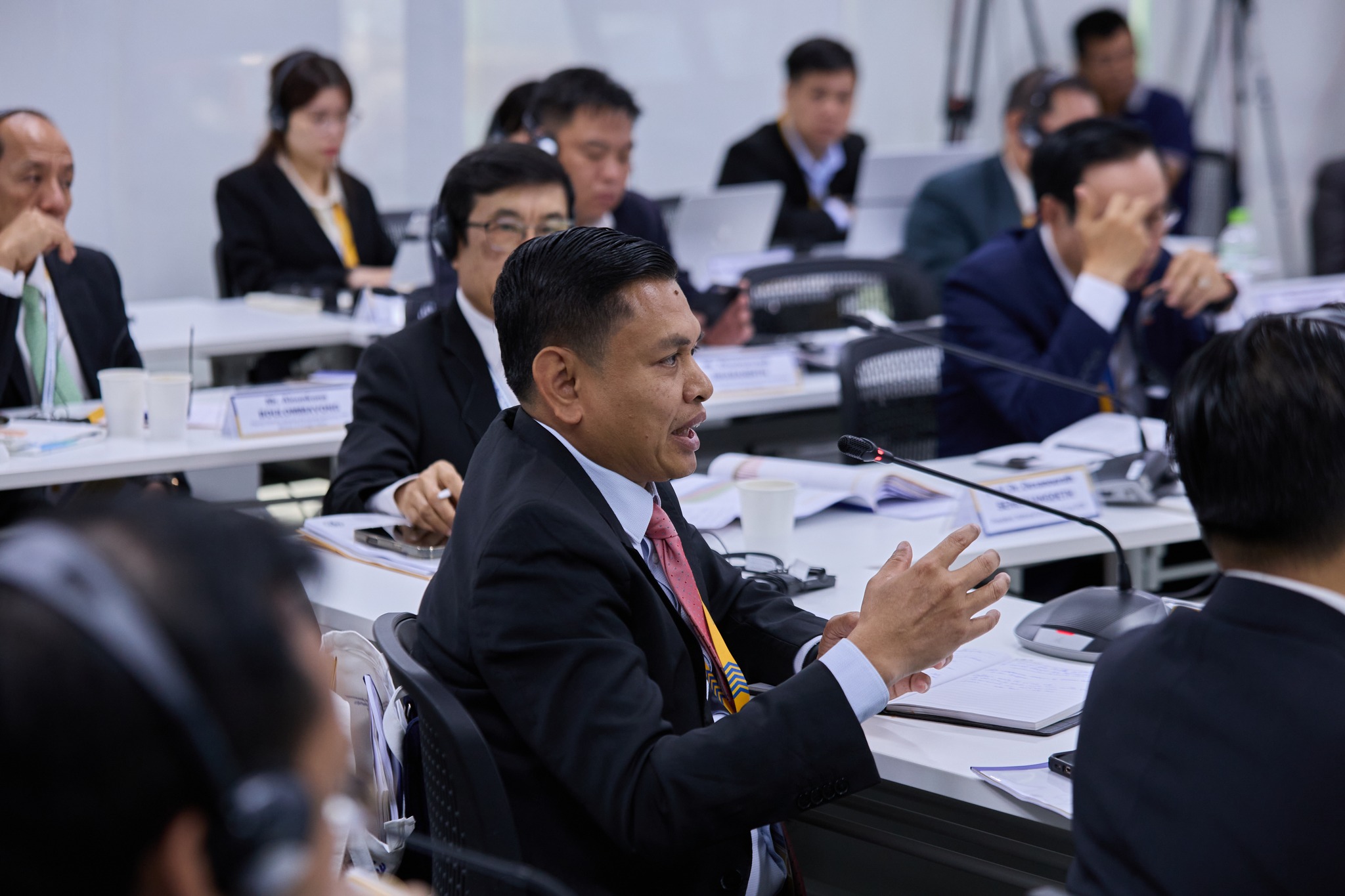
Within the framework of the Laos Executive Leadership Program 2026 (LELP 2026), from March 23 to 28, 2026, a high-level delegation of the Government of the Lao People's Democratic Republic participated in an intensive series of academic and policy discussions in Ho Chi Minh City and Hanoi. The program was jointly organized by the Fulbright School of Public Policy and Management (FSPPM) and the Ho Chi Minh National Academy of Politics (HCMA). LELP 2026 is organized with financial support from the U.S. Department of State.
LELP 2026 was structured around a sequence of 12 thematic sessions, carefully designed to guide participants from the global economic context and regional reform experiences—particularly those of Vietnam—to concrete policy options for Laos. The program's overarching objective was not only to deliver knowledge but also to shape strategic vision, policy thinking, and analytical approaches, while enabling participants to draw practical policy implications suited to Laos' development conditions in an increasingly volatile global environment.
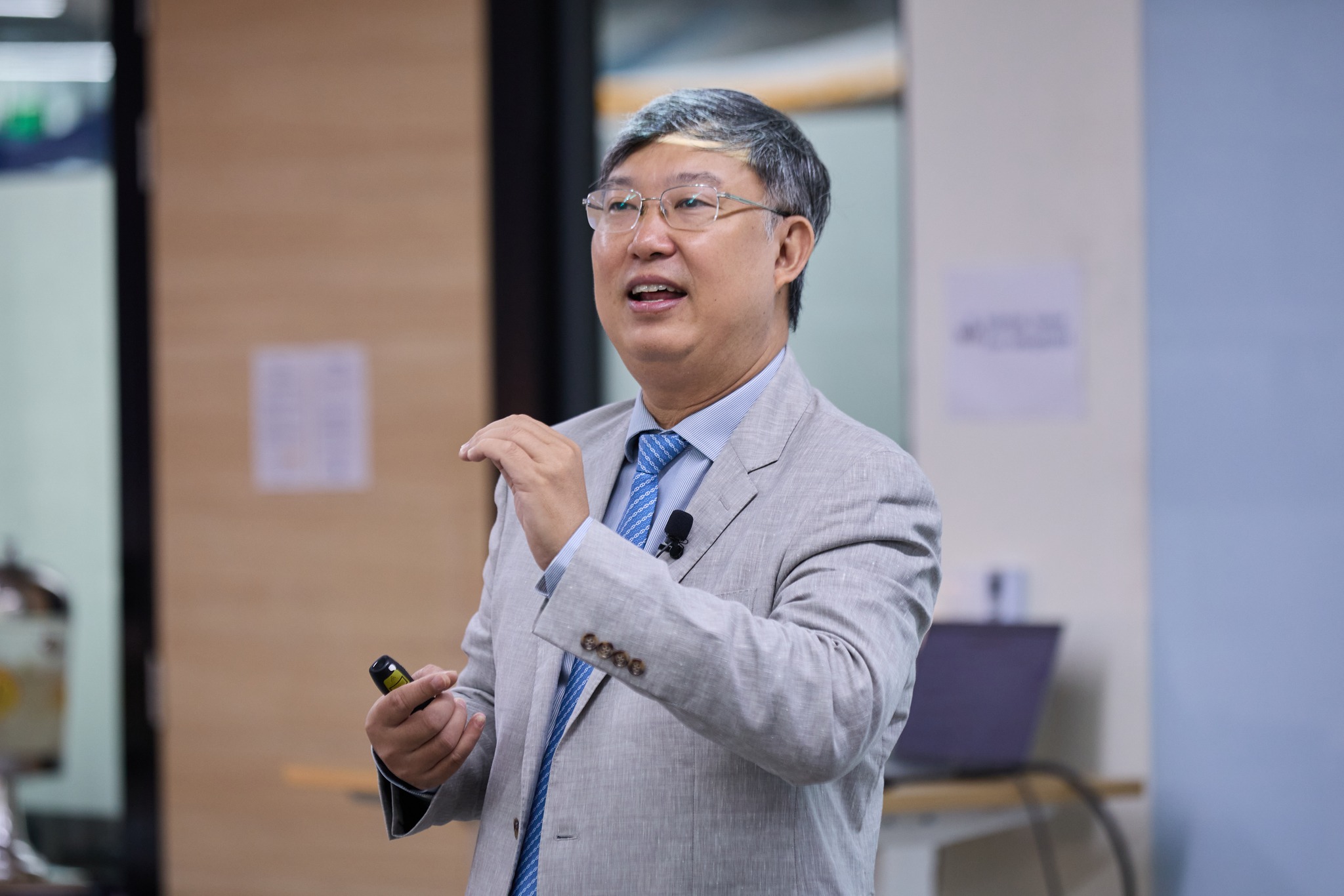
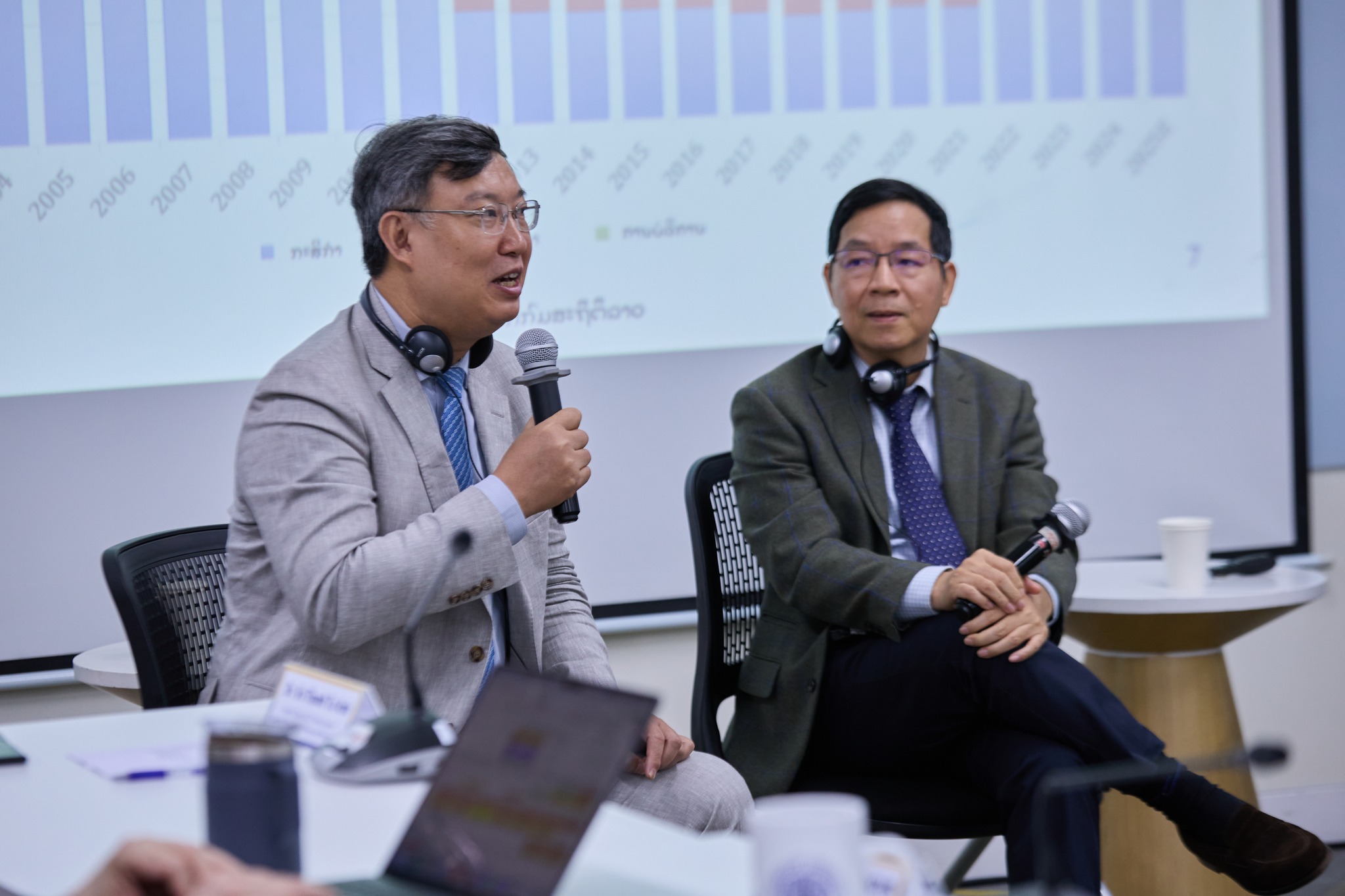
Mr. Nguyen Xuan Thanh – Program Co-Chair – FSPPM Senior Lecturer in Session: The Global Economic Context and Challenges for Developing Economies and Session: Financial System and Banking Sector Reform: Strengthening Financial Stability.
The first day established the foundation by situating Laos within the global and regional economic contexts. Discussions emphasized that national development strategies must be framed in relation to geopolitical shifts, global trade dynamics, and international financial conditions. Building on this, institutional reform for future development was highlighted as a central pillar—an essential precondition for effective policy implementation across sectors, from industry and finance to infrastructure. The program then expanded to a regional perspective through a comparative analysis of recent economic reform strategies, offering practical benchmarks for Laos. The day concluded with a panel discussion on Vietnam's experiences in responding to macroeconomic instability. Vietnam's experiences in managing inflation, maintaining budget balance, and ensuring financial system stability were examined in relation to Laos' current challenges, underscoring that sustainable growth can only be achieved on the basis of a sound macroeconomic foundation.
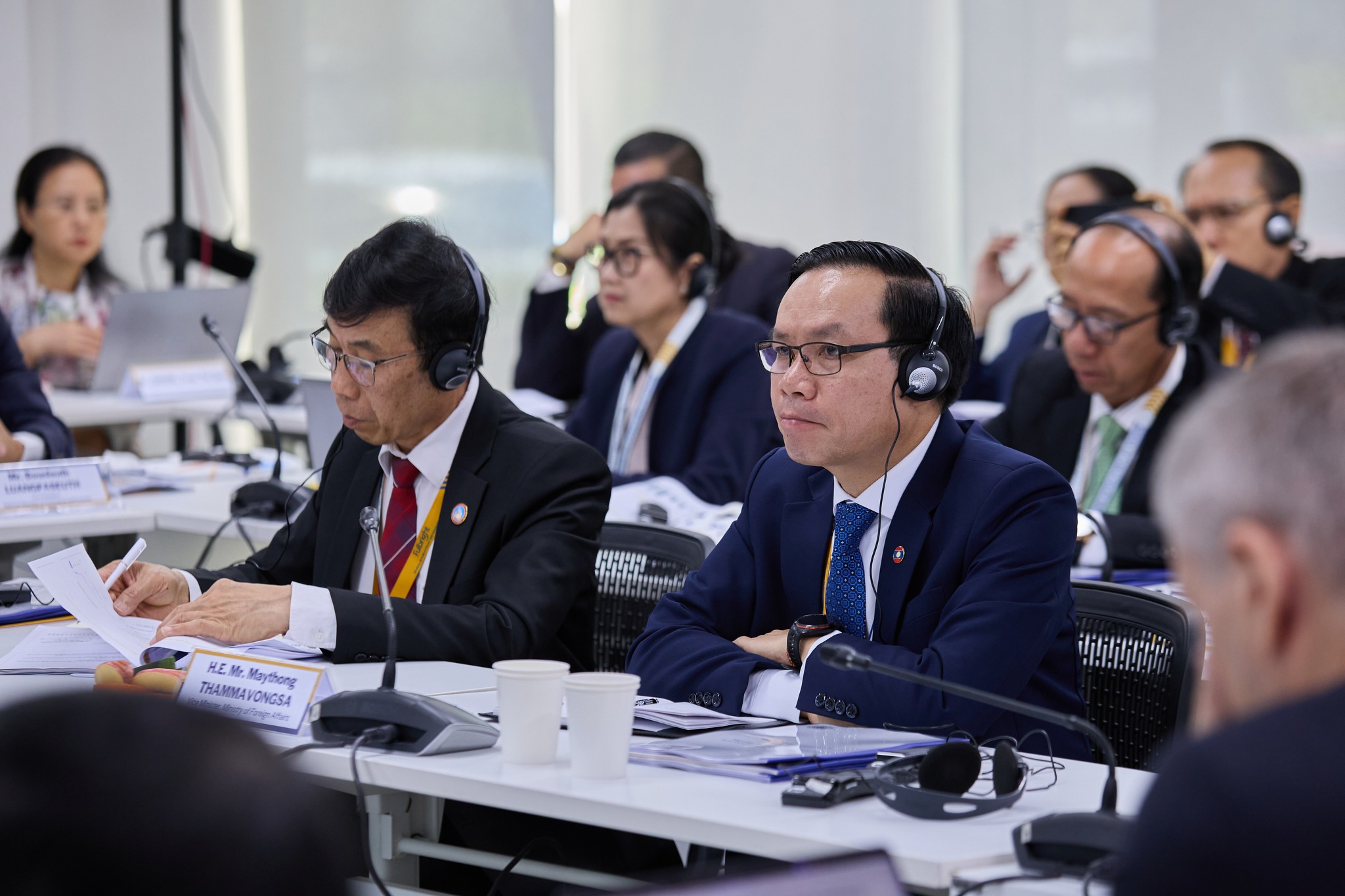
If the first day focused on the broader landscape, the second day examined two of the most critical pillars of the economy: the financial system and fiscal policy. The analysis highlighted the inherent tension between financial development and financial stability. Vietnam's experience demonstrated that rapid credit expansion can support short-term growth, but without robust risk governance—such as capital adequacy frameworks and sound state-owned enterprise governance—systemic risks may accumulate. At the same time, Laos' fiscal challenges were analyzed in the context of rising public debt, exchange rate pressures, and increasing borrowing costs amid global financial volatility. The key takeaway extended beyond technical policy tools to the importance of institutional capacity and long-term risk management.
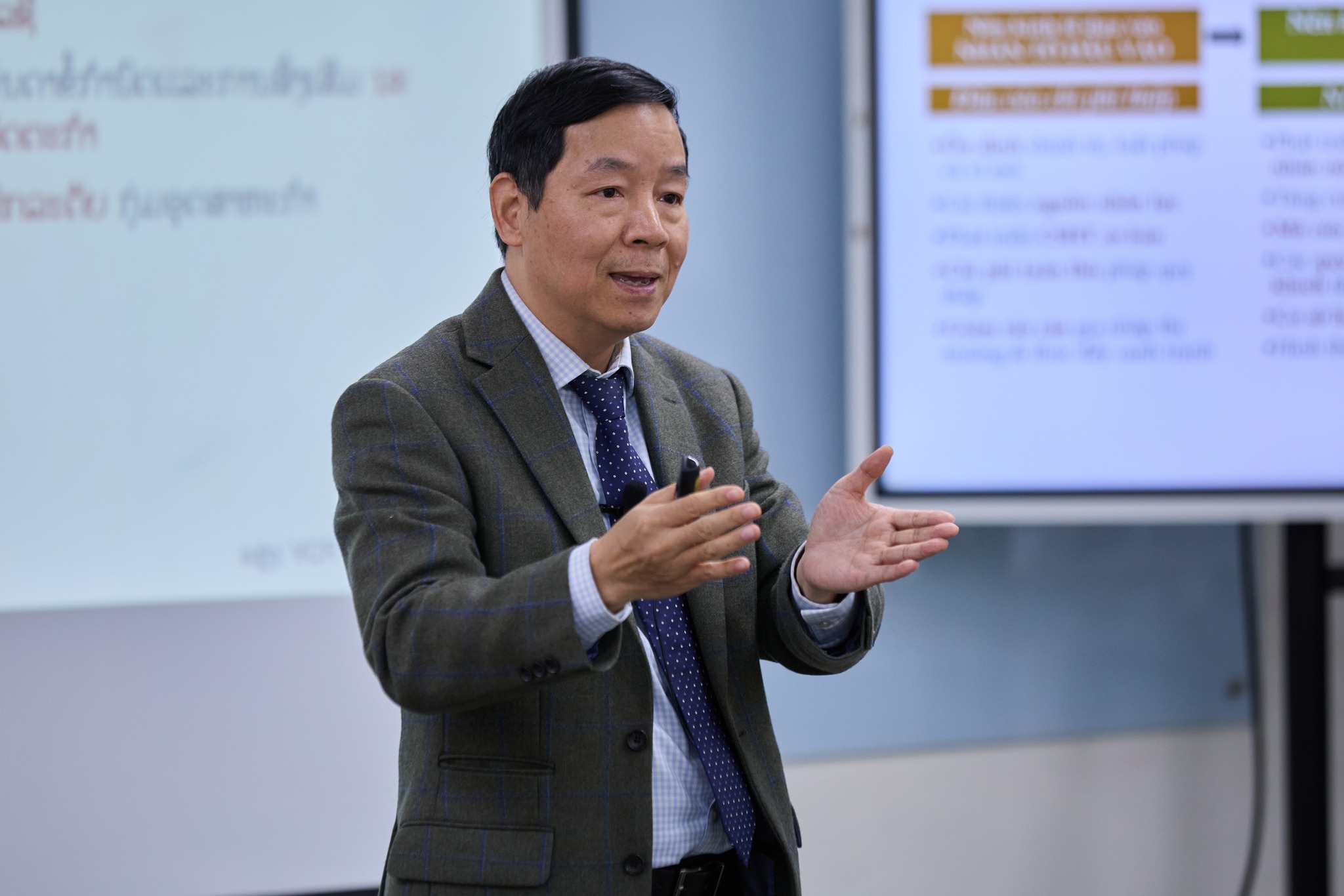
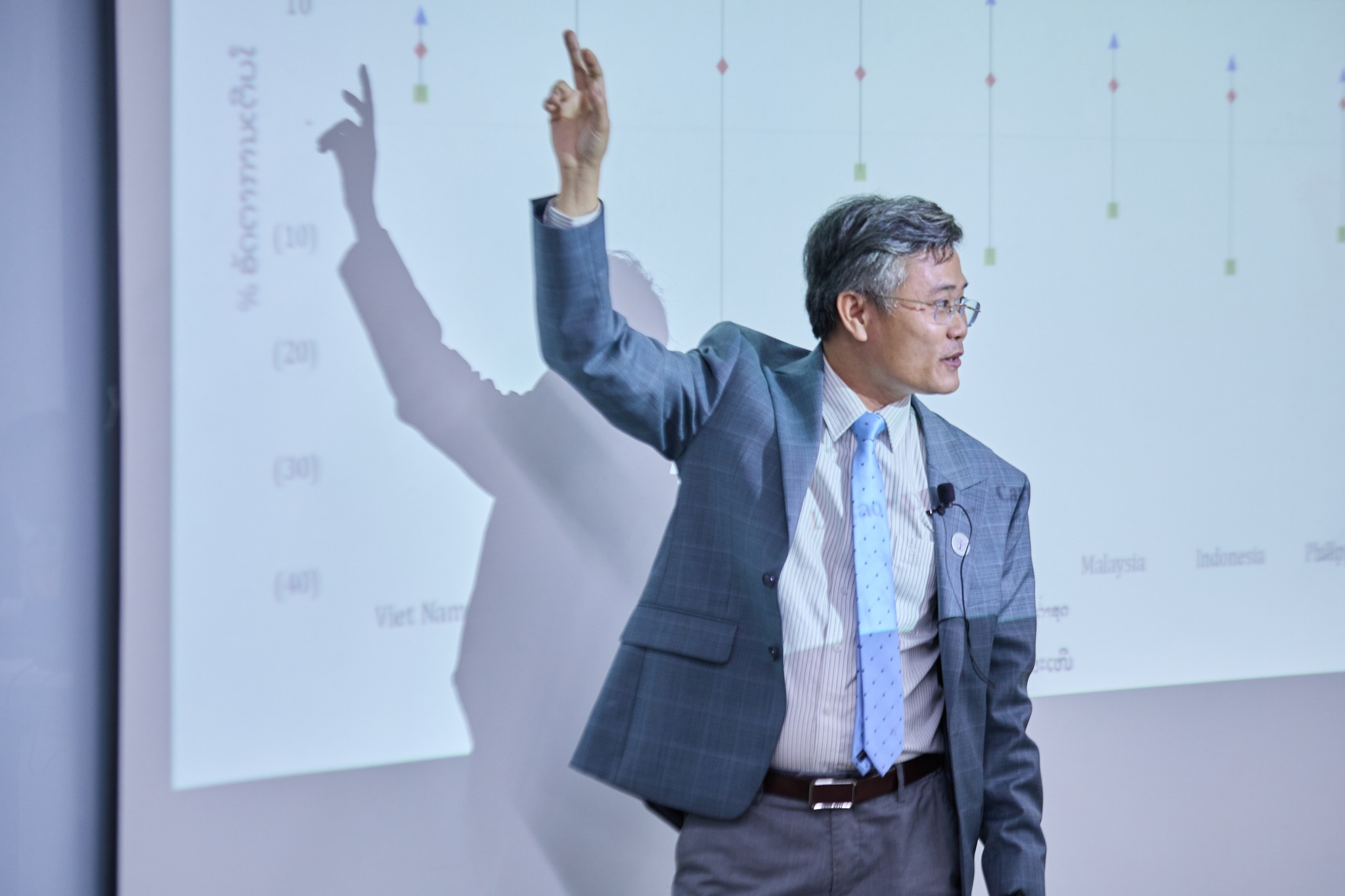
Dr. Vu Thanh Tu Anh – Program Chair – FSPPM Senior Lecturer in Session: Institutional Reform for Future Development and Session: New Industrialization Models in the Fourth Industrial Revolution: Implications for Laos and SOE Reform.
The third day shifted focus to future growth drivers. Building digital state capacity for the digital economy placed digital transformation at the center—not merely as a technological trend, but as a requirement for effective governance in the digital age. From open data to digital infrastructure, discussions emphasized that the value of digital transformation depends on how governments organize, manage, and utilize data. In parallel, new industrialization models in the Fourth Industrial Revolution revisited Laos' industrial policy, highlighting the roles of industrial parks, FDI attraction, connectivity infrastructure, and participation in global value chains. Analysis of Laos pointed to significant potential, but also the need for deeper institutional reform, improvements in the investment climate, SOE reform, and private sector development. The issue of resource mobilization was further addressed in mobilizing resources for infrastructure investment, where PPPs, FDI, and the role of the state were examined within constrained fiscal space. The day concluded with structural reform for Laos' broad-based development, identifying key structural bottlenecks—from balance of payments constraints to labor structure and resource-dependent growth—that must be addressed to achieve inclusive development.
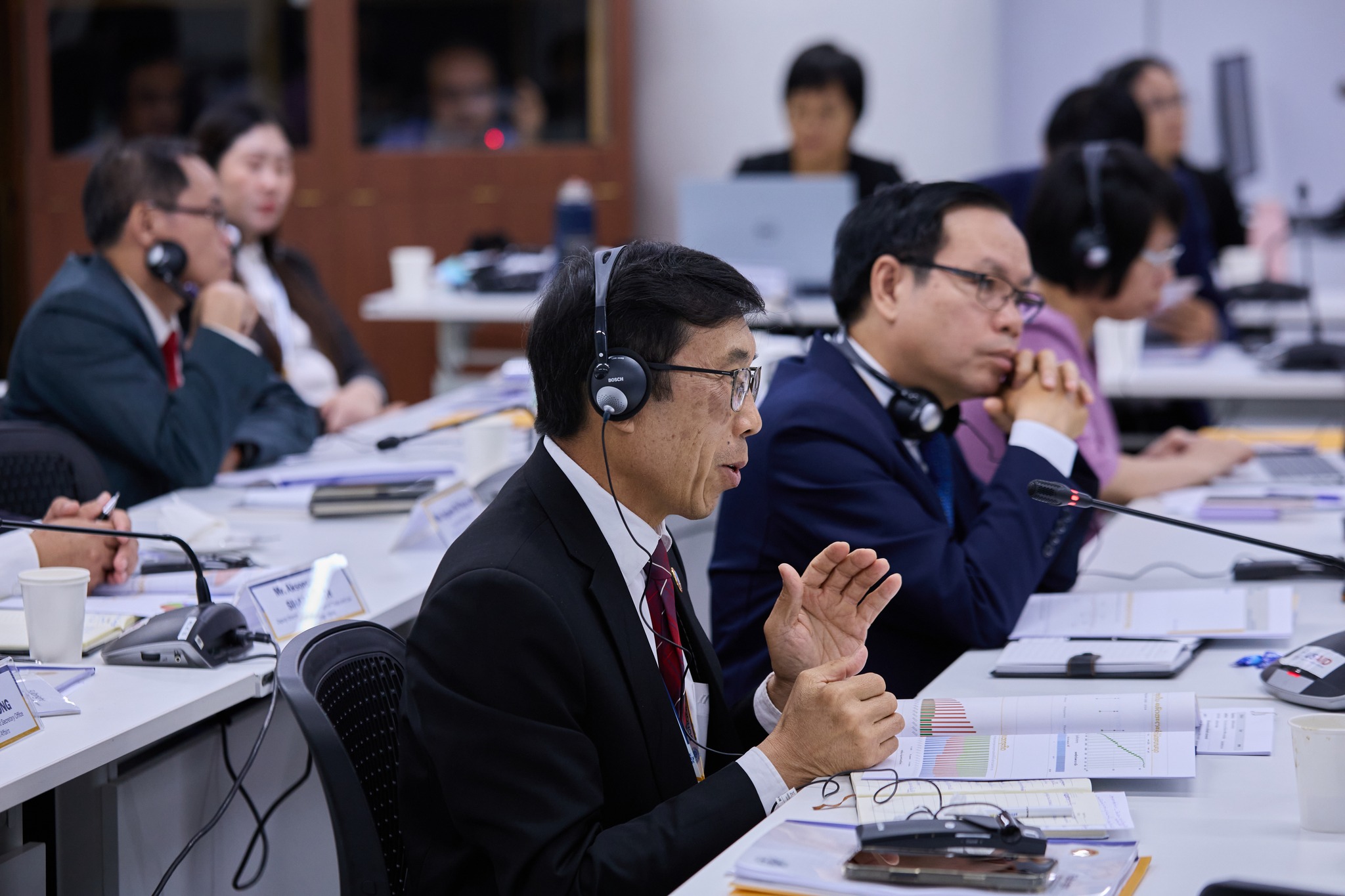
At the Ho Chi Minh National Academy of Politics in Hanoi, discussions broadened to explore the nexus between development, institutions, and security in a globalized context. The session on Vietnam's experience in economic liberalization, global integration, and FDI attraction demonstrated that integration is not merely an economic policy, but a comprehensive development strategy that drives institutional reform, enhances implementation capacity, and fosters a stable and transparent investment environment. Complementing this, the session on emerging risks from transnational organized crime and the need for cross-border and international law enforcement cooperation highlighted the growing complexity of non-traditional security threats—from cybercrime to drug trafficking and money laundering. These challenges underscore the urgent need for strengthened international cooperation, information sharing, and legal frameworks. Despite addressing different domains, both sessions converged on a common insight: sustainable economic development is inseparable from strong state capacity and the ability to manage systemic risks in an increasingly complex and uncertain world.
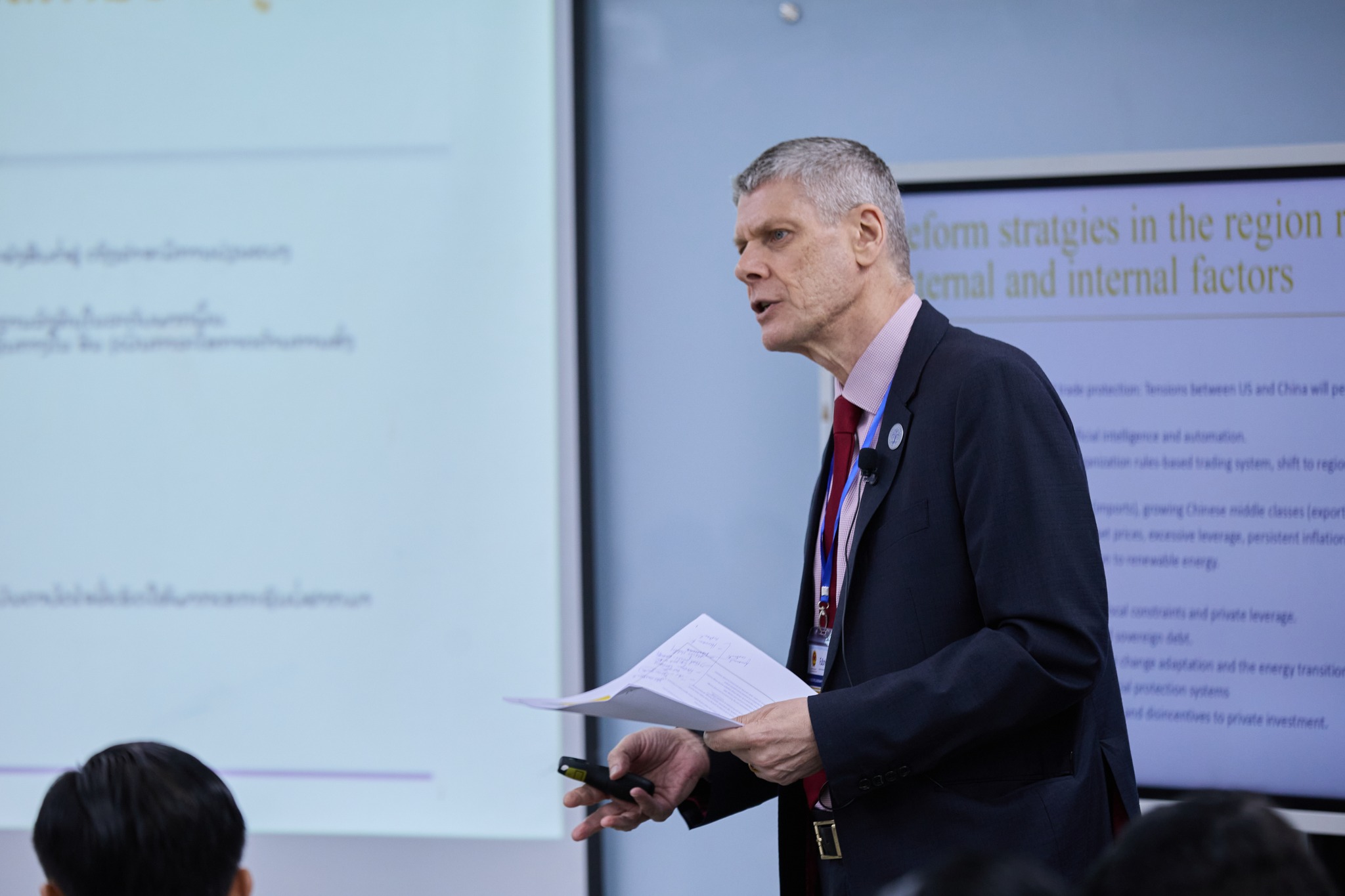
Dr. Jonathan Pincus – Dean of Fulbright School of Public Policy and Management in Session: A Comparative Analysis of Recent Economic Reform Strategies in the Region; and Session: Structural Reform for Laos' Broad-based Development.
The Laos Executive Leadership Program 2026 is part of the broader Executive Leadership Program (ELP) series that FSPPM has developed over the past three decades. It serves as a high-level policy dialogue platform, bringing together senior leaders, policymakers, and experts from Vietnam, Laos, and the international community. Through intensive academic engagement and policy exchange, the program contributes to strengthening strategic vision and policy analysis capacity for leaders in Vietnam and across the region.
- Uyen Vu
Some of other photographs:
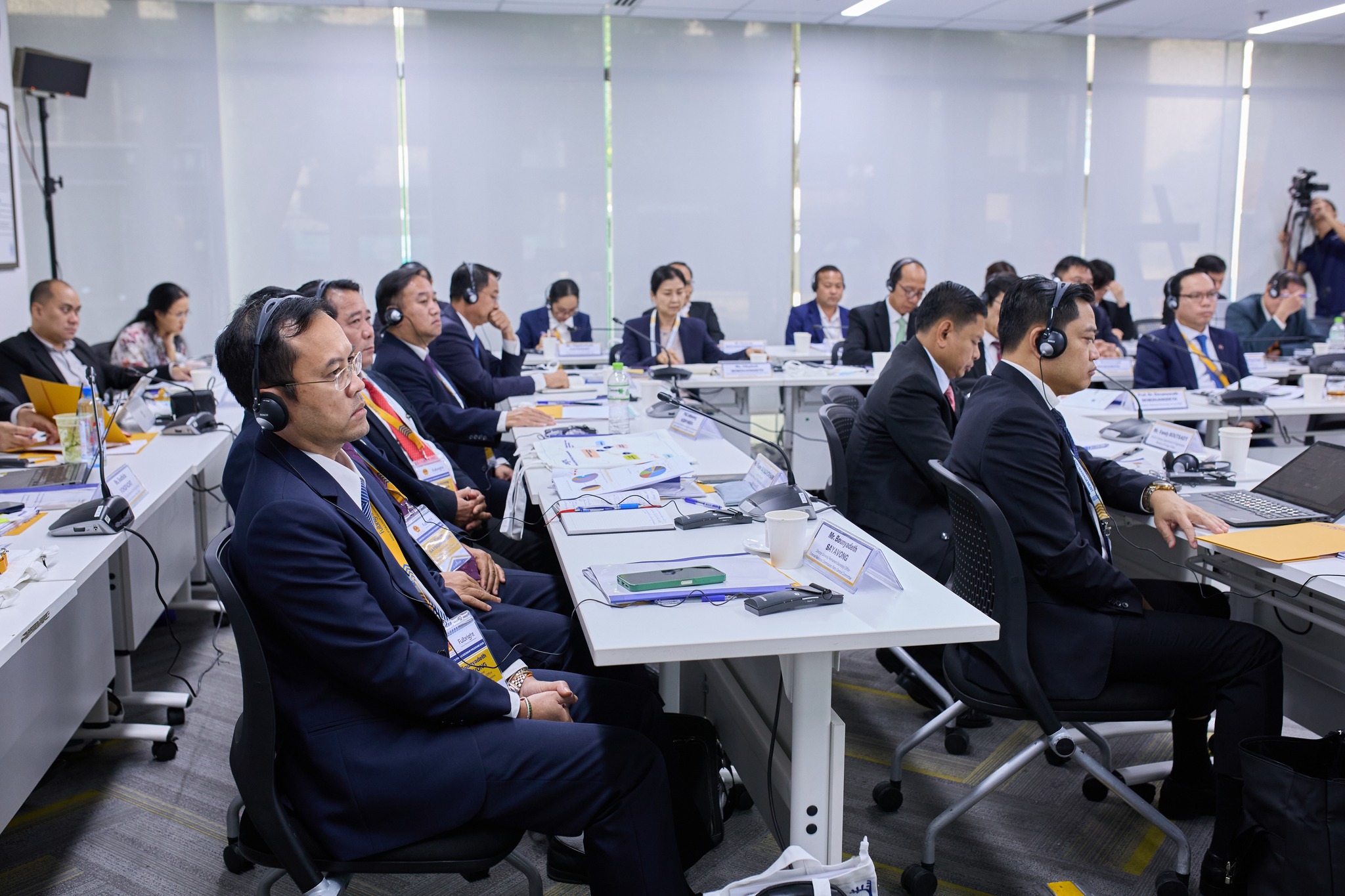
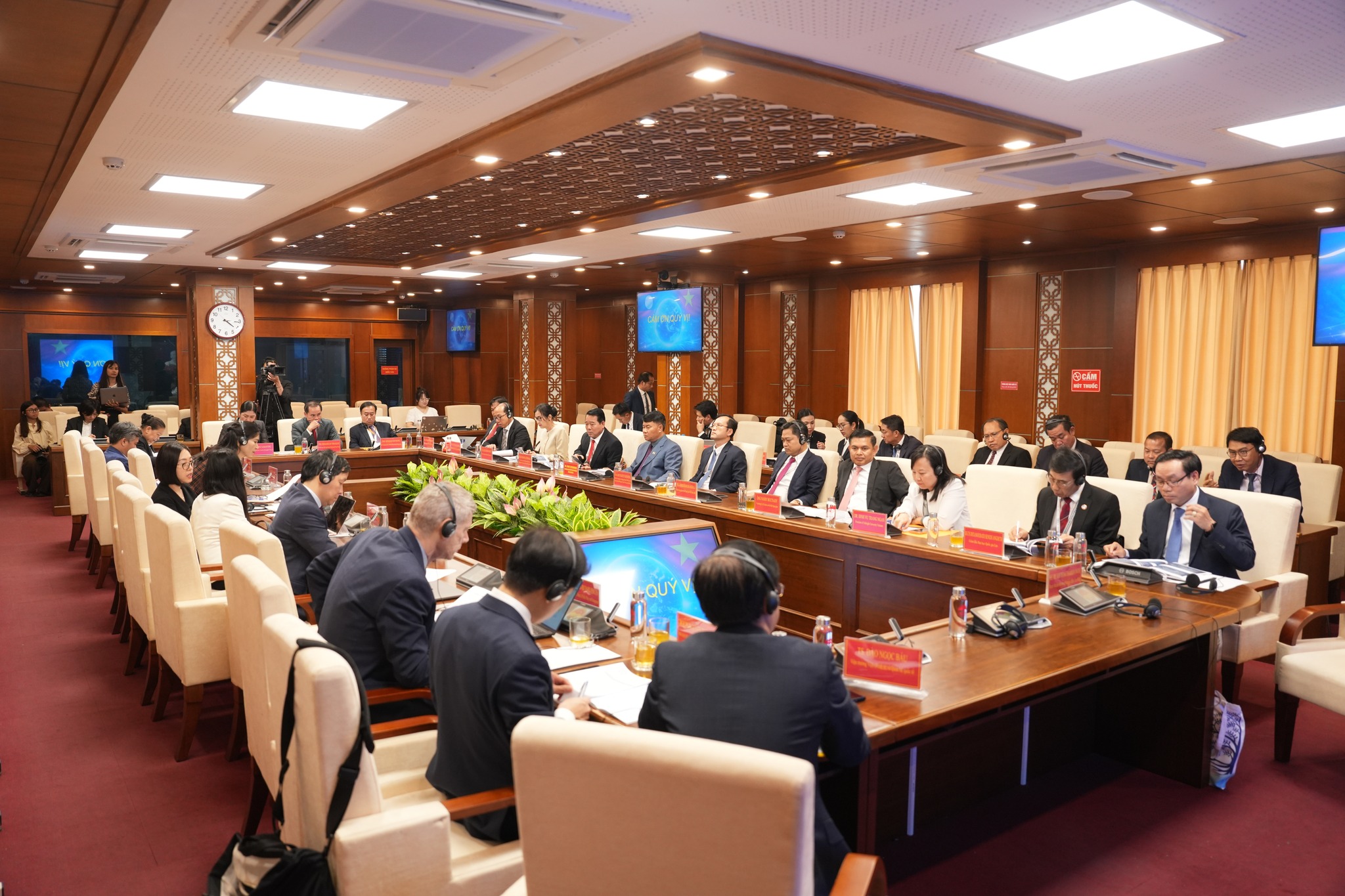
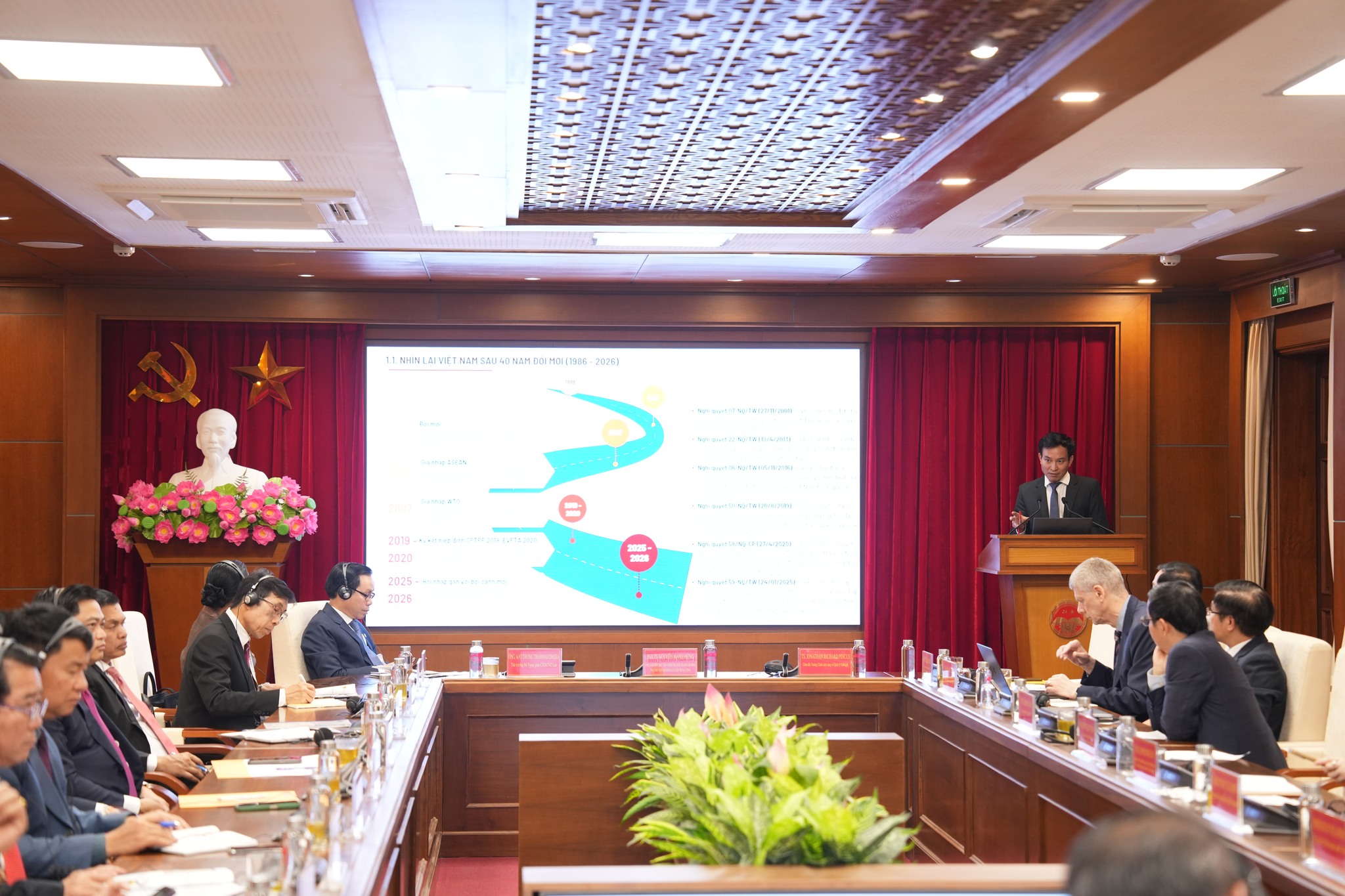
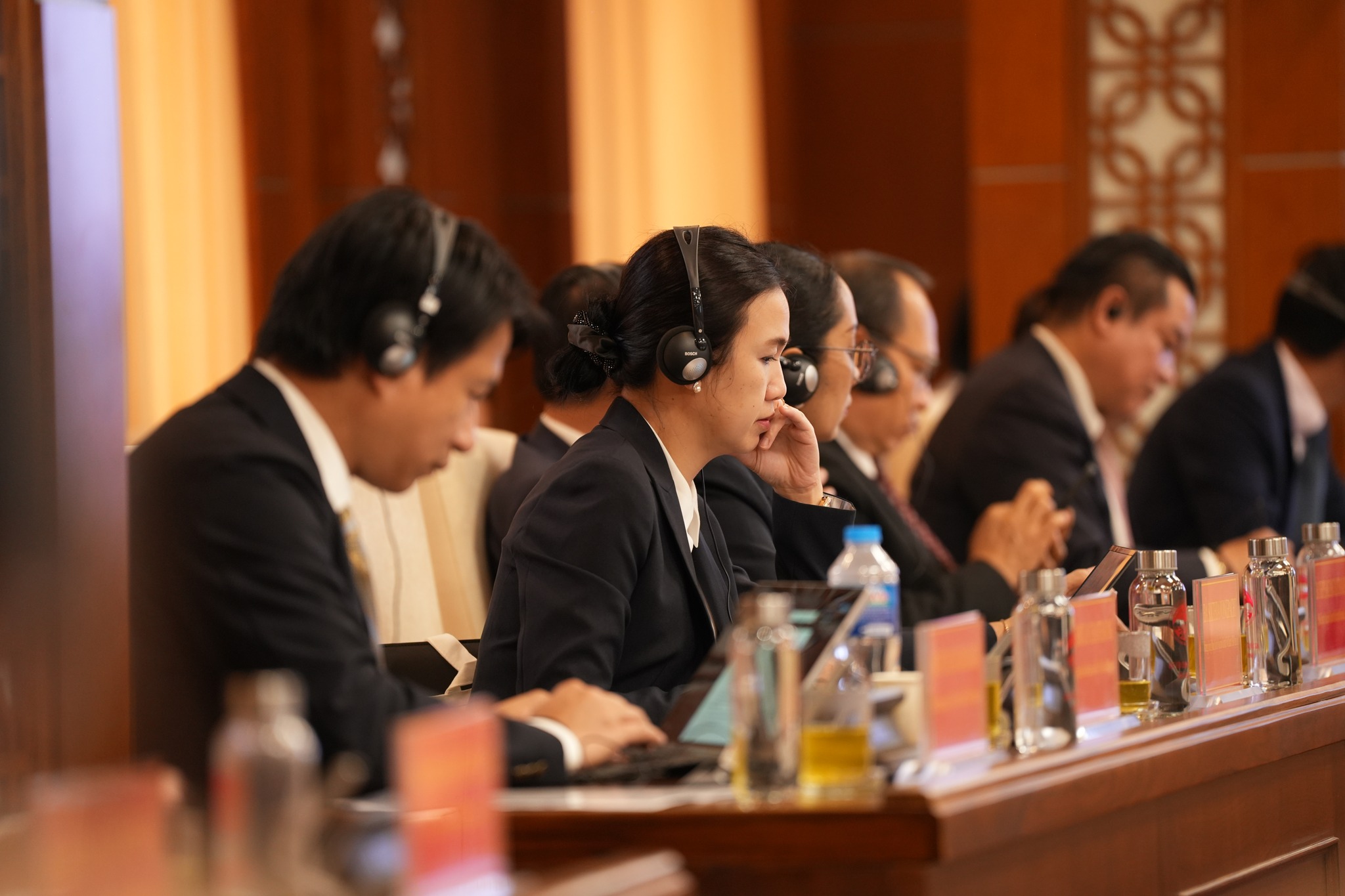
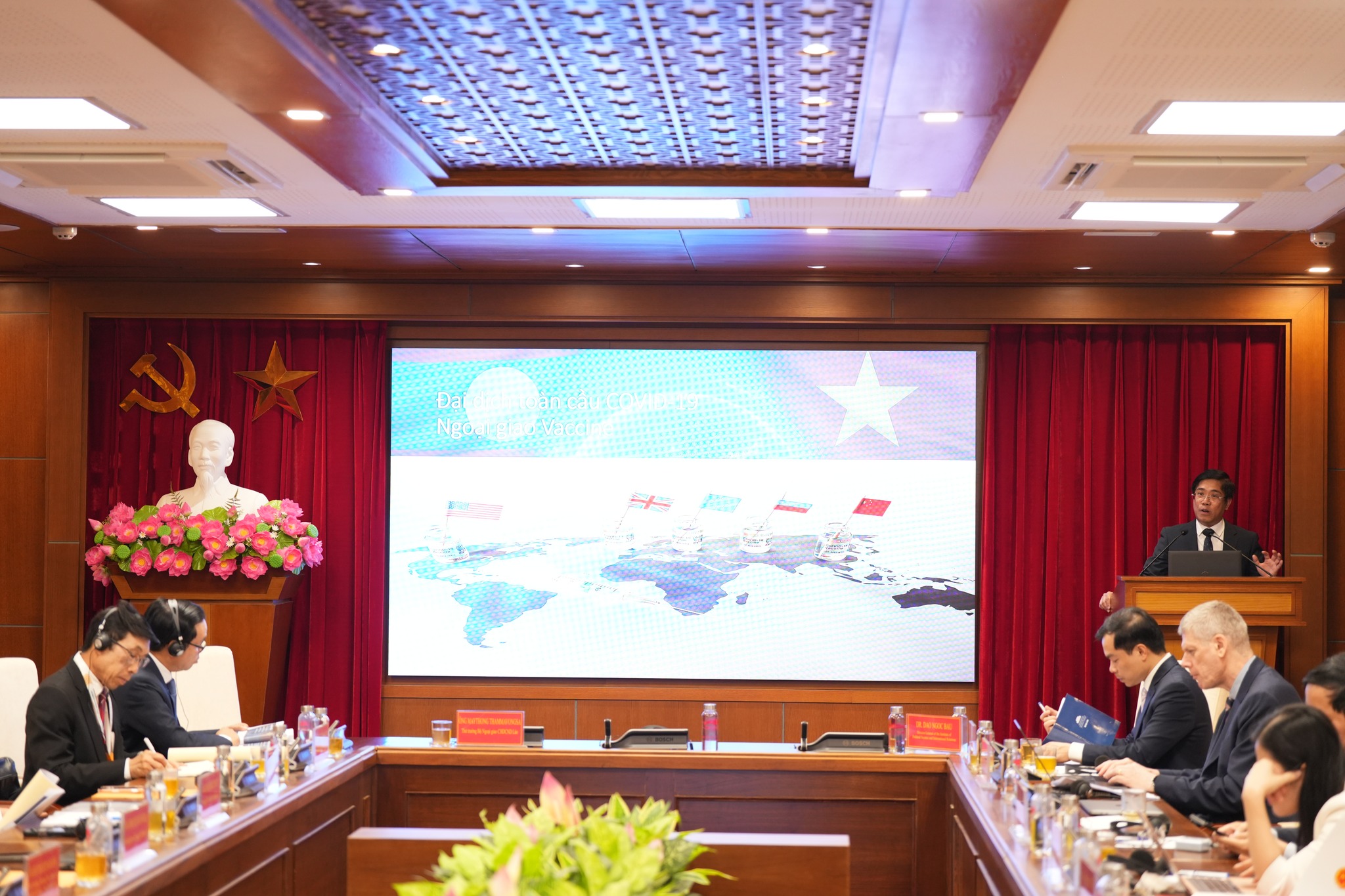
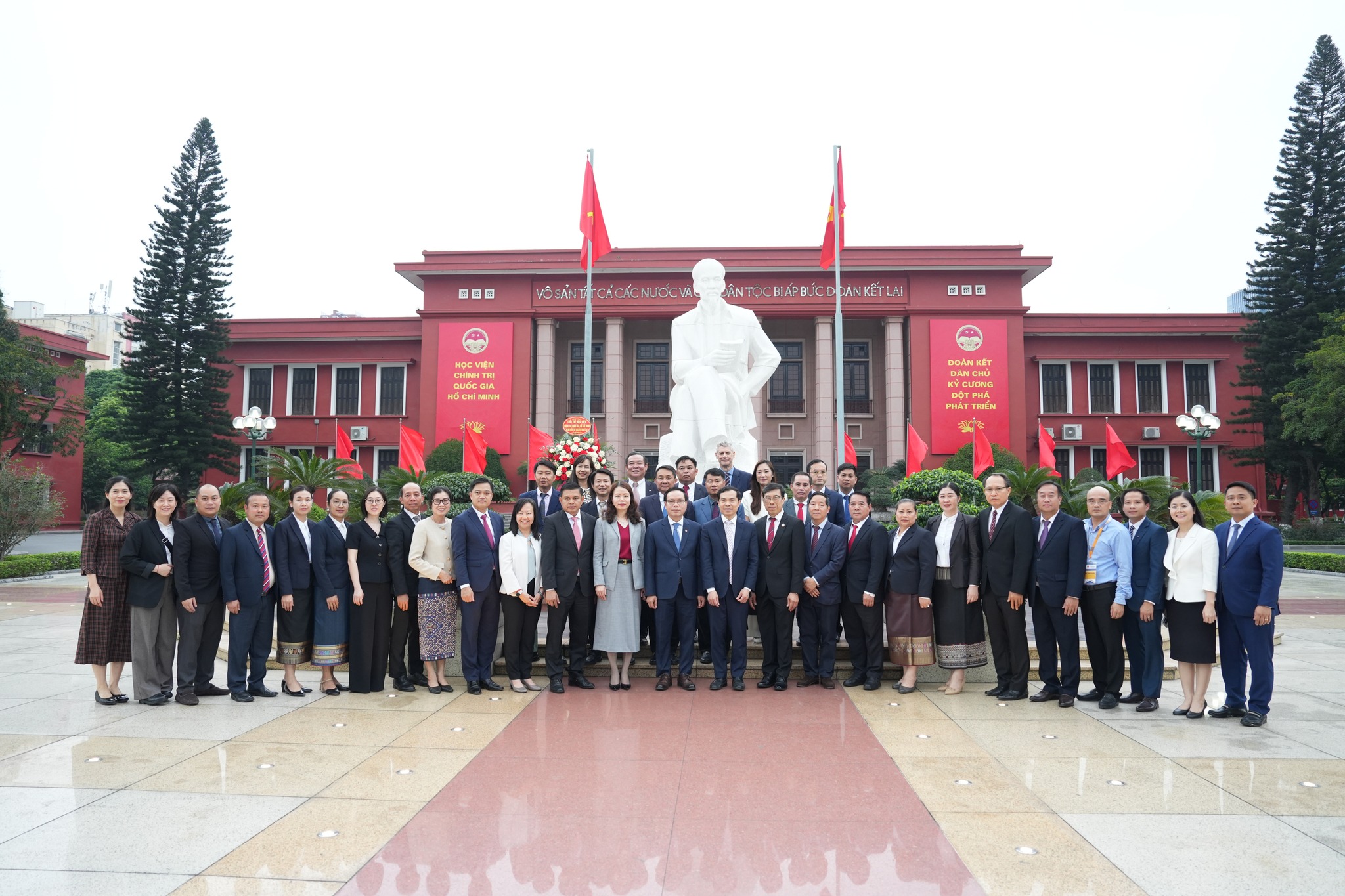
LELP 2026 Delegation at the Ho Chi Minh National Academy of Politics.
Related Articles
Successful Implementation of Decentralization in the Digital Era - Sharing Experiences between Vietnam and the Nordic Countries
Laos Executive Leadership Program (LELP) 2026 Kicks Off in Ho Chi Minh City