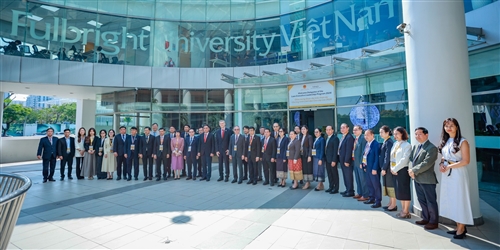
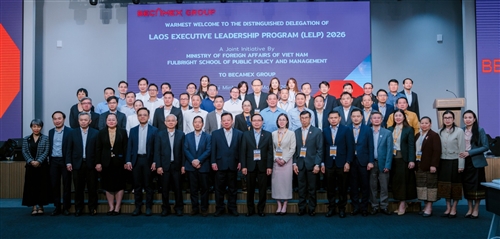
In addition to its academic sessions, the Laos Executive Leadership Program 2026 (LELP 2026) incorporated a series of field studies and local experience sharing across several of Vietnam's most dynamic localities. Visits to Binh Duong, Hai Phong, and Quang Ninh were designed as immersive "field classrooms," where development policies could be observed directly in real-world implementation contexts.
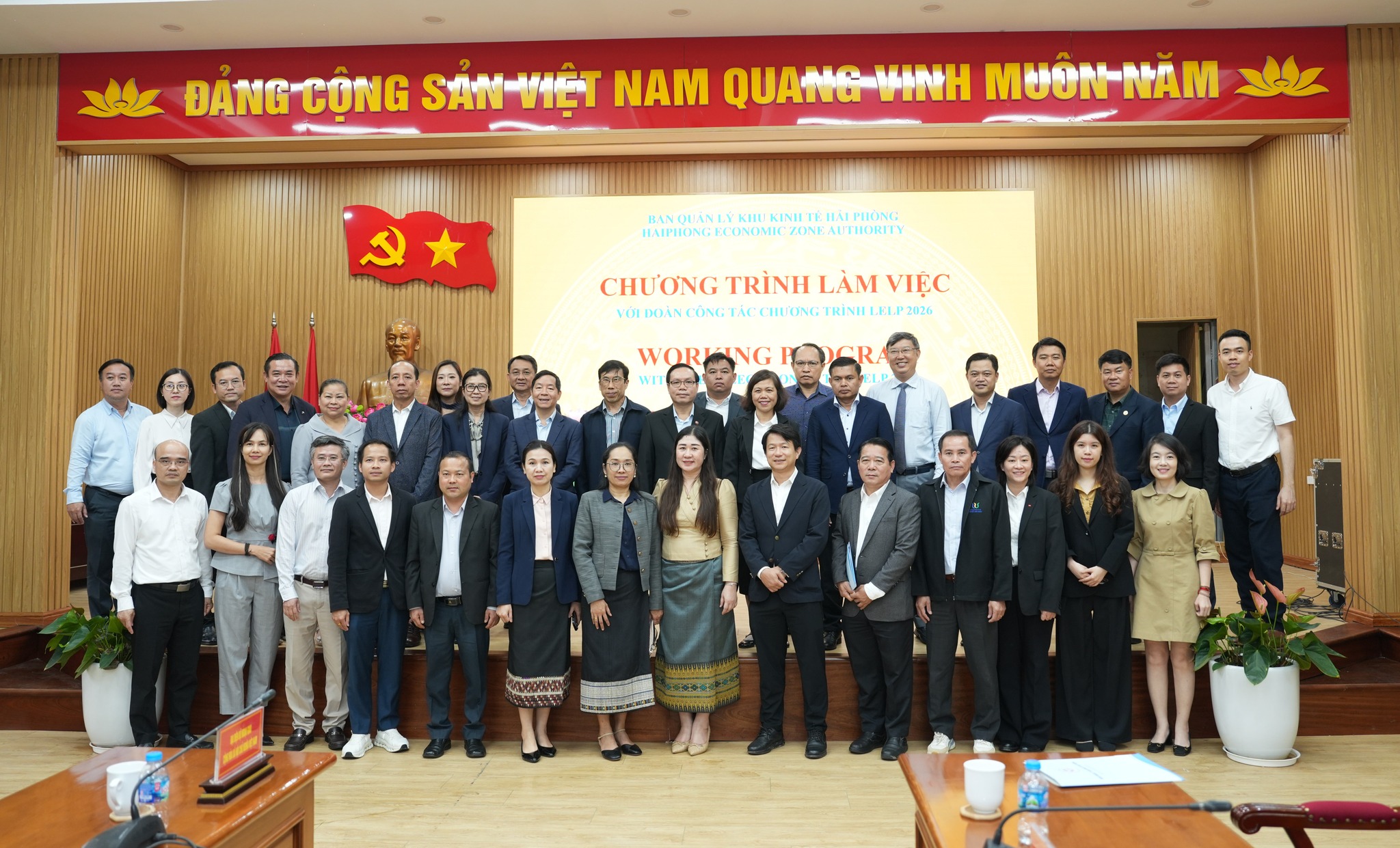
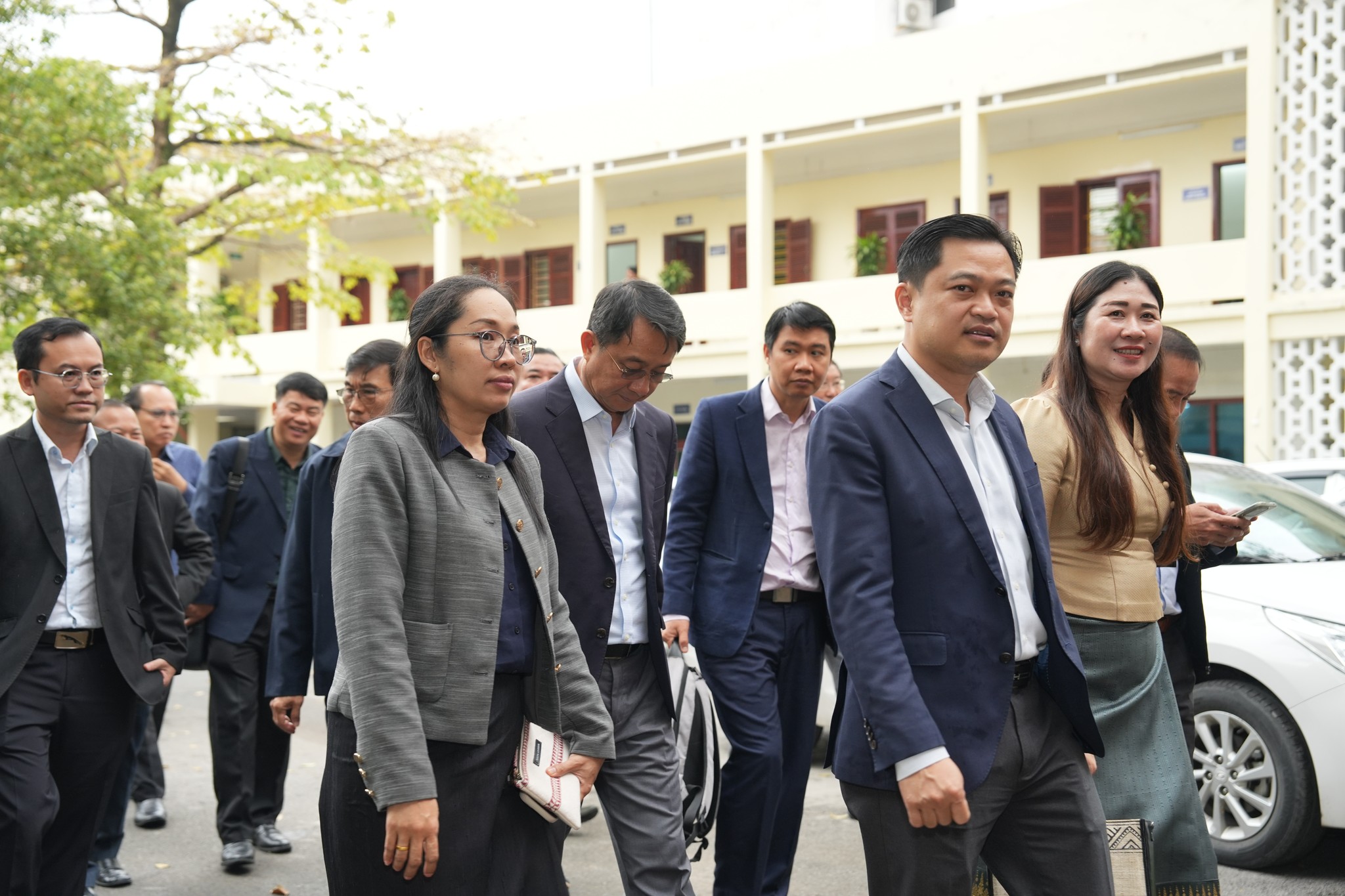
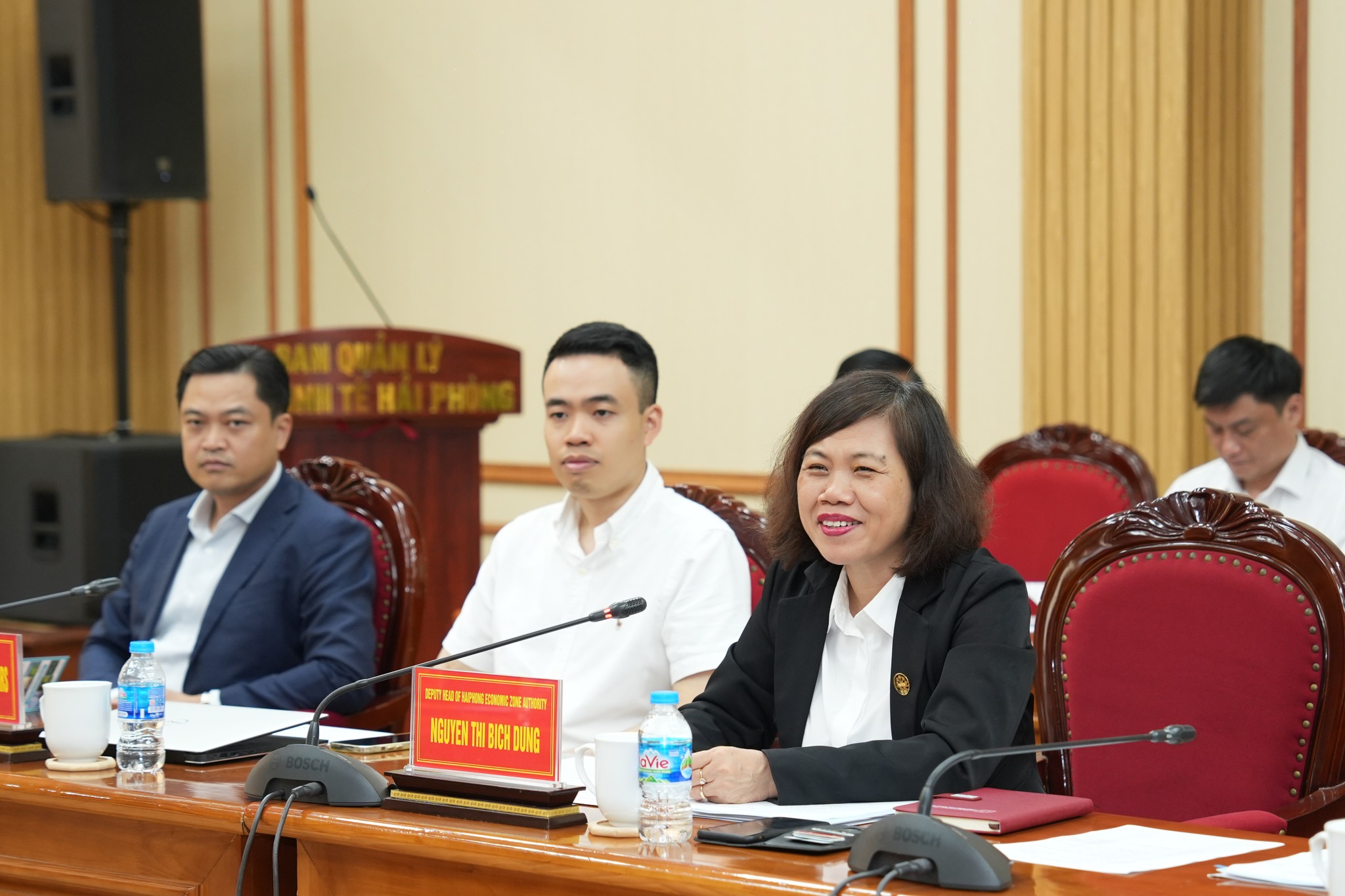
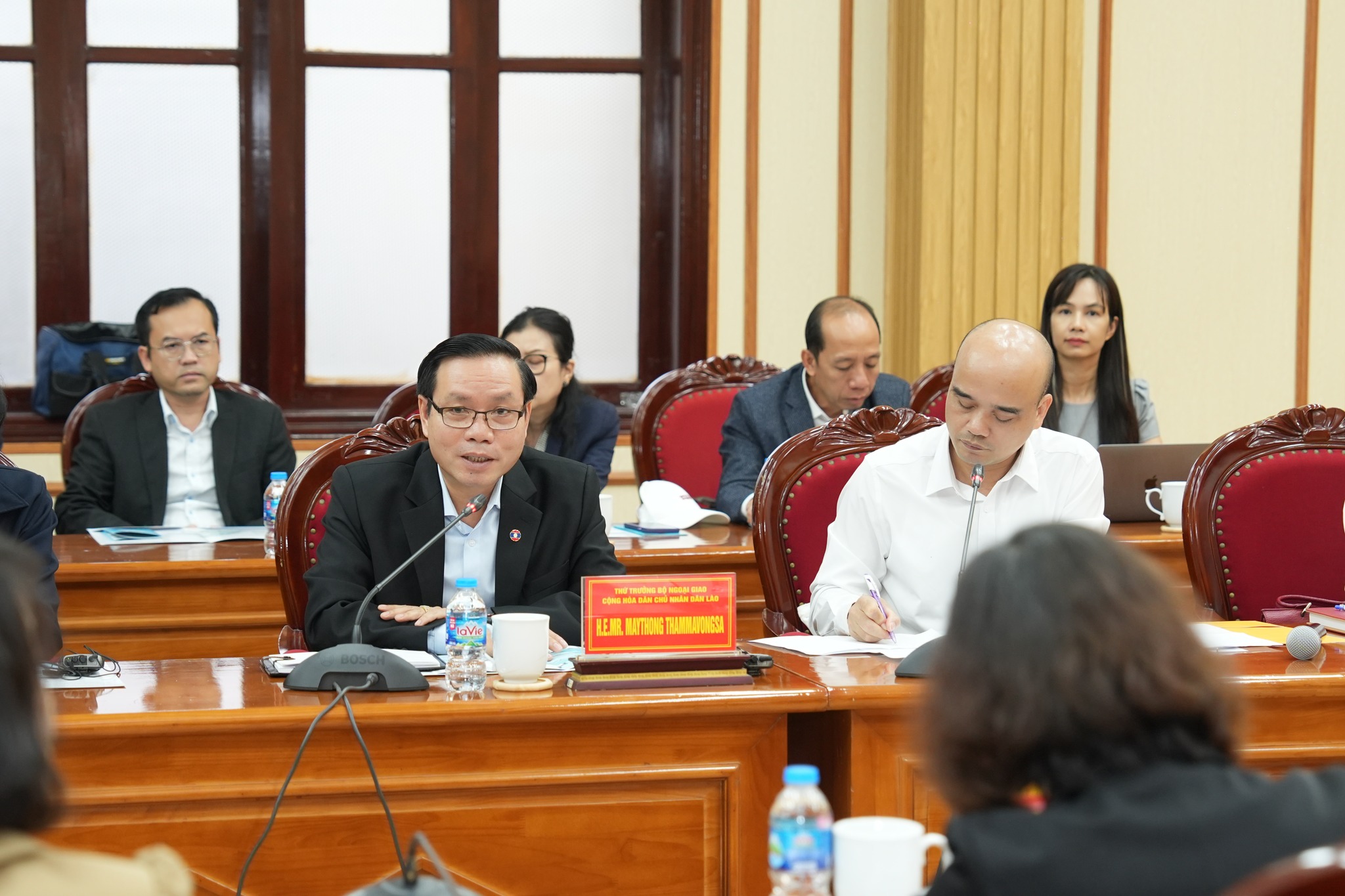
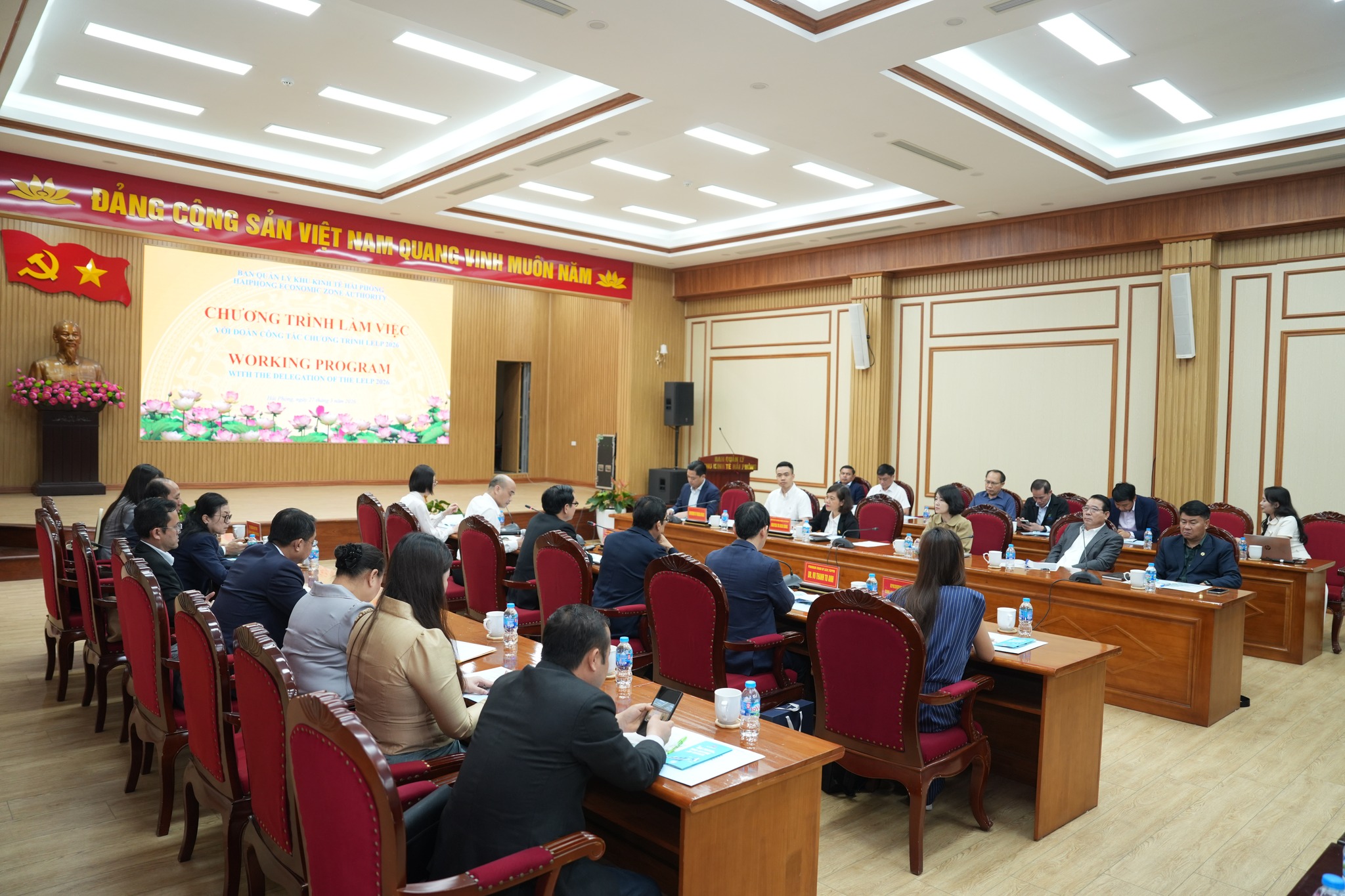
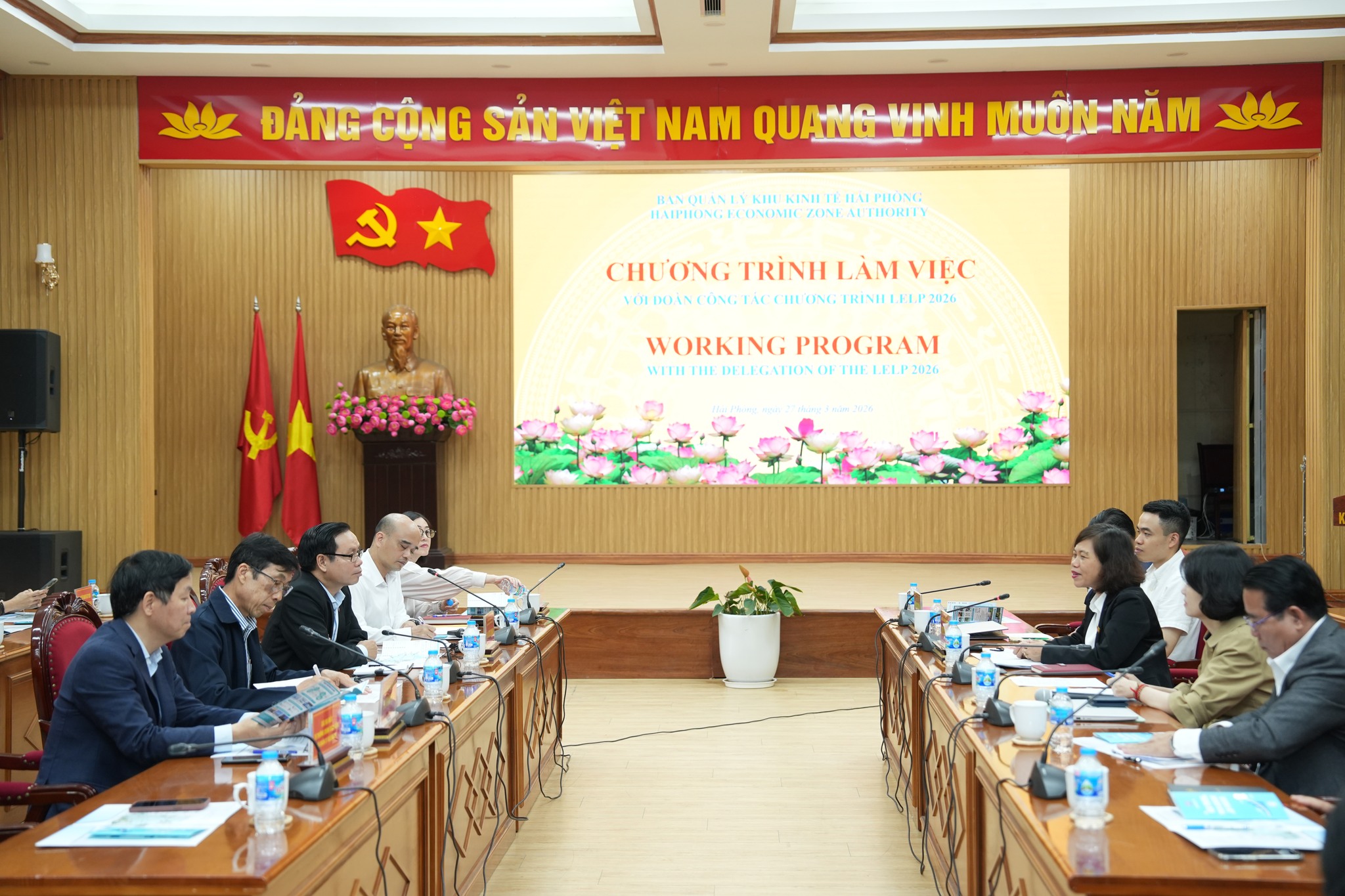
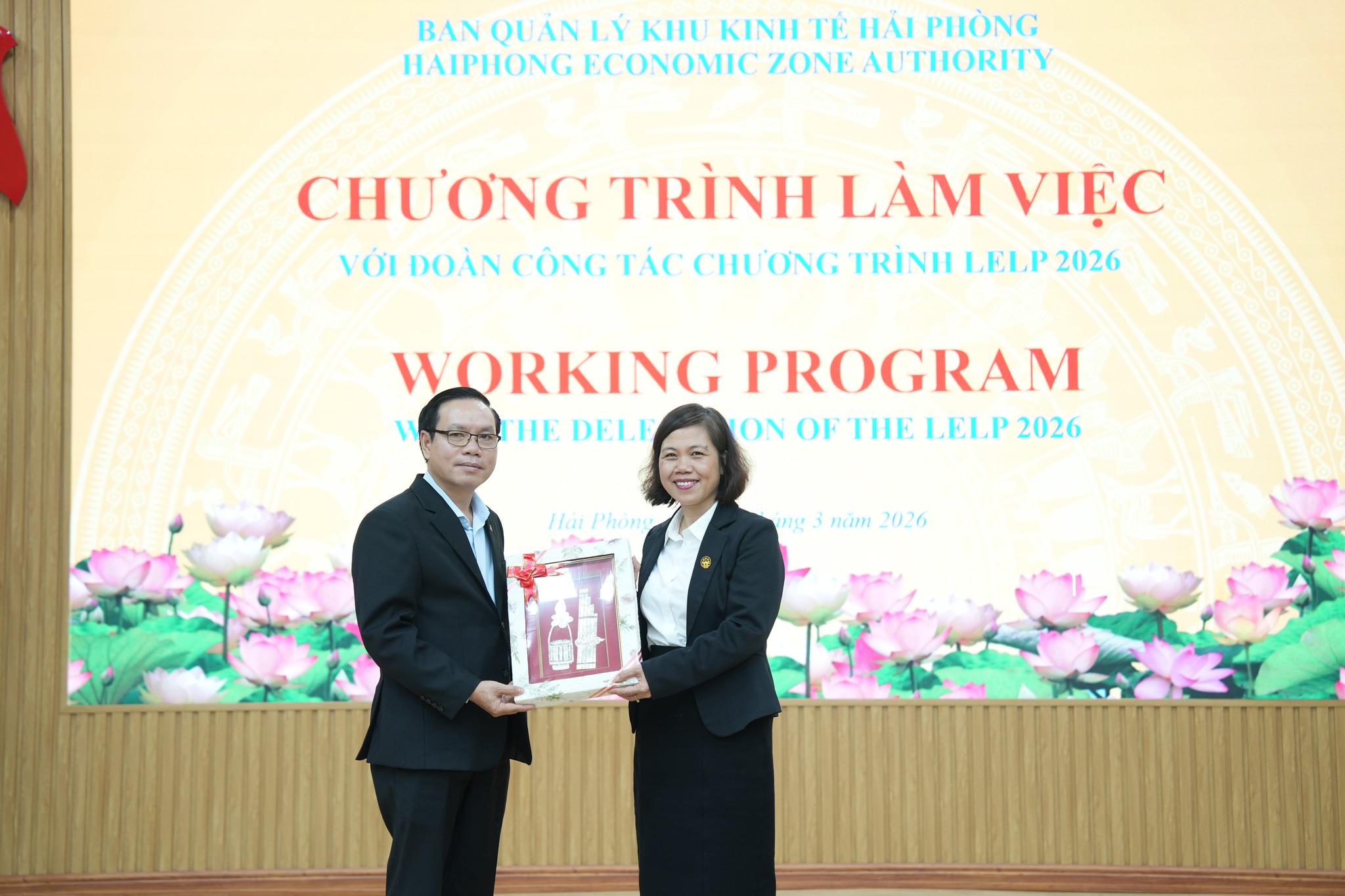
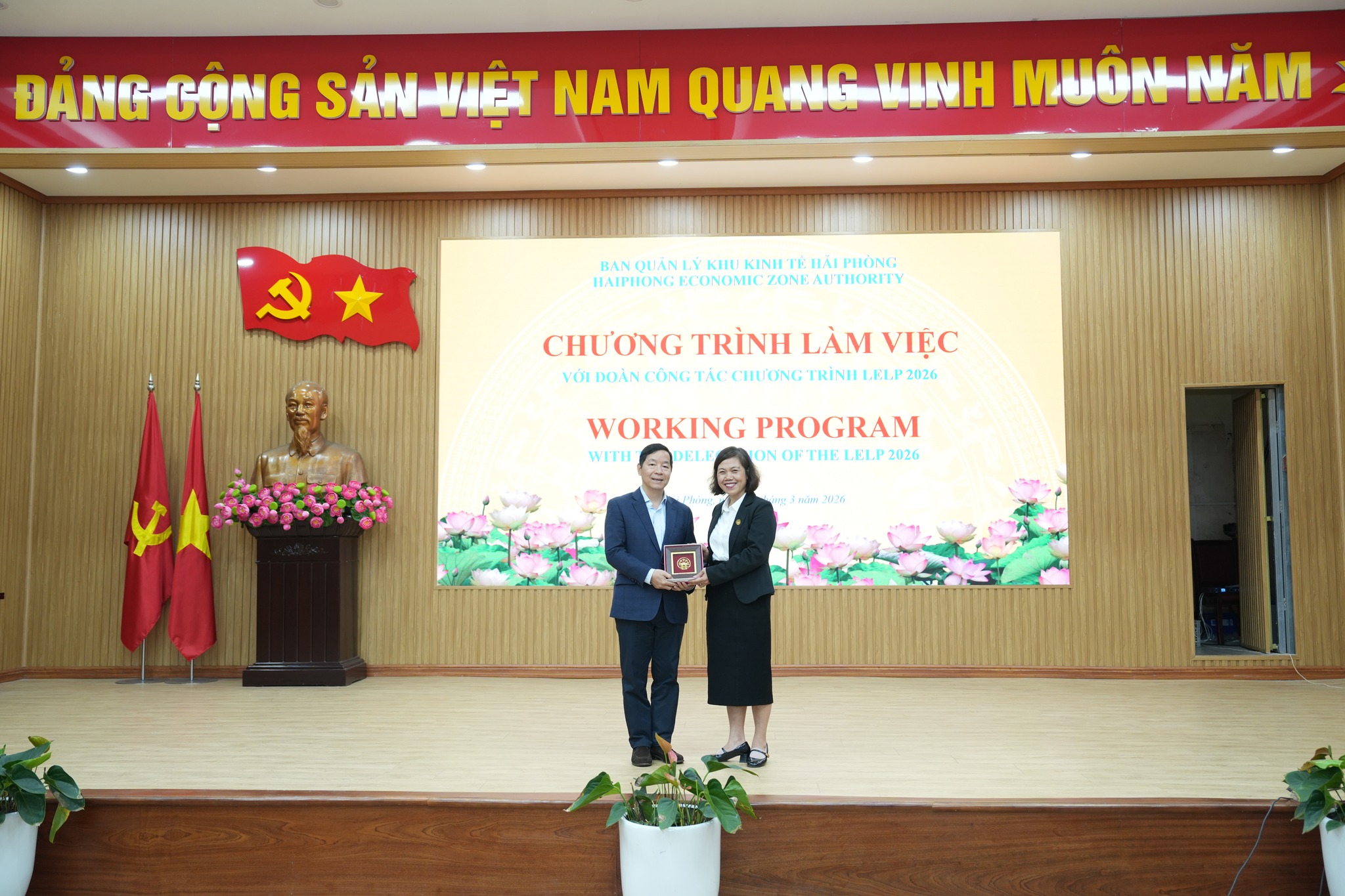
LELP 2026 delegation with Hai Phong Economic Zone Authority.
In Binh Duong, the delegation engaged in discussions with Becamex Industrial Development Corporation and visited major industrial and urban zones, including Bau Bang, My Phuoc, VSIP II Expansion, and Binh Duong New City. These engagements reflected the program's industrial policy, institutional transformation, and development of industrial parks – local government perspectives. The case of Binh Duong illustrated a development model that integrates industrialization with urban planning and long-term strategic vision. From a largely agricultural province, Binh Duong has transformed into a leading industrial hub, supported by synchronized infrastructure and a highly conducive investment environment.
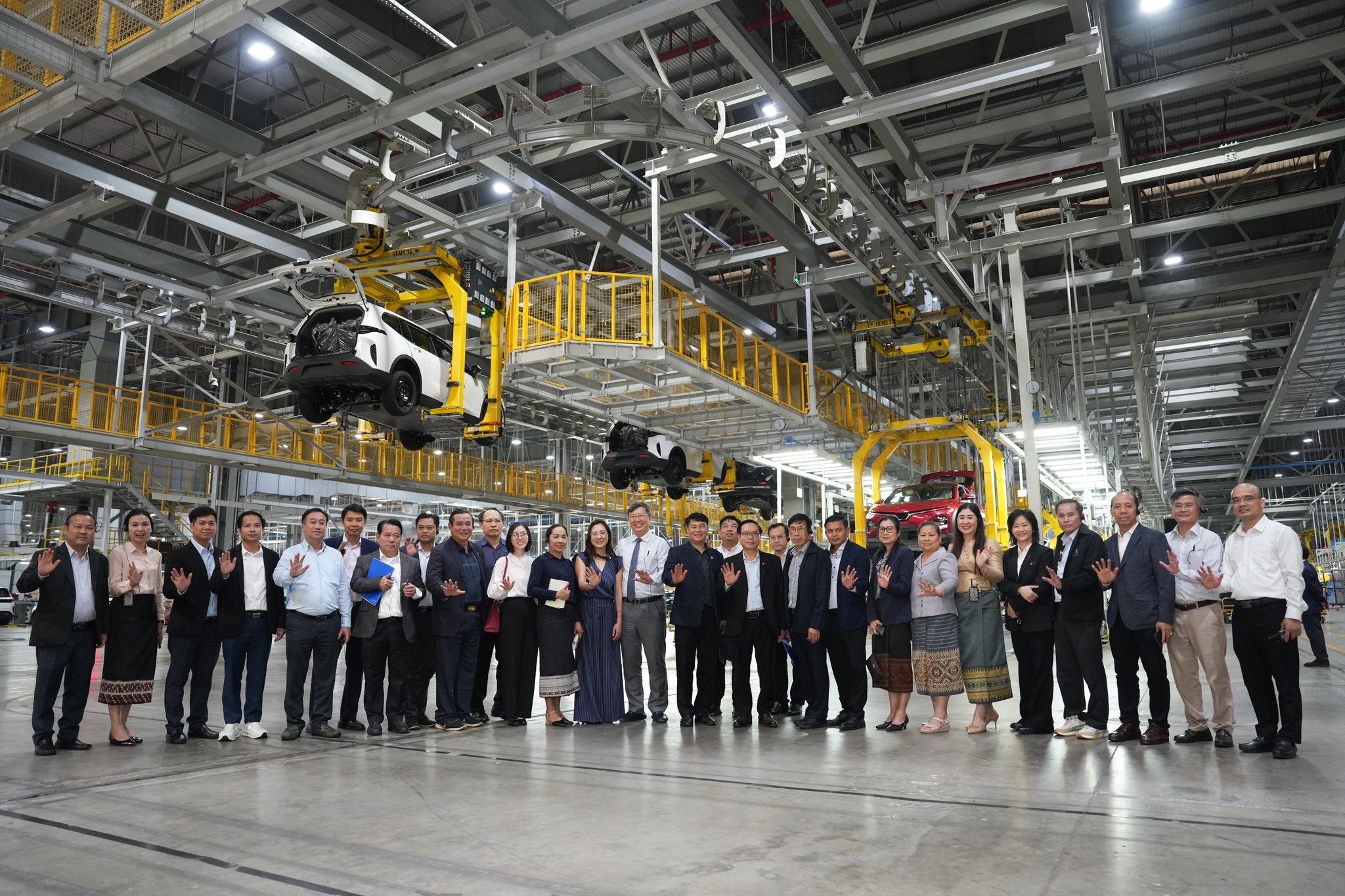
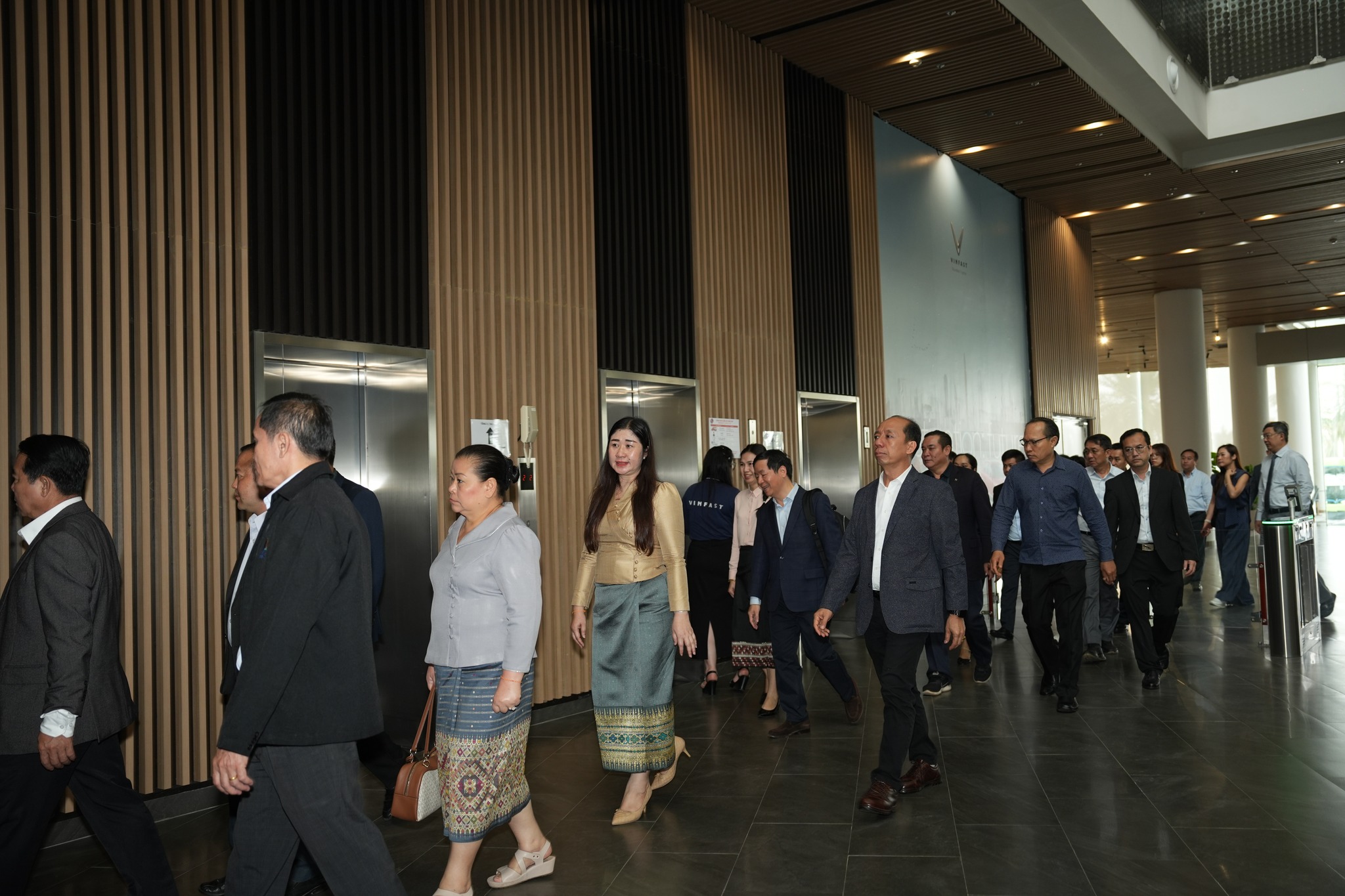
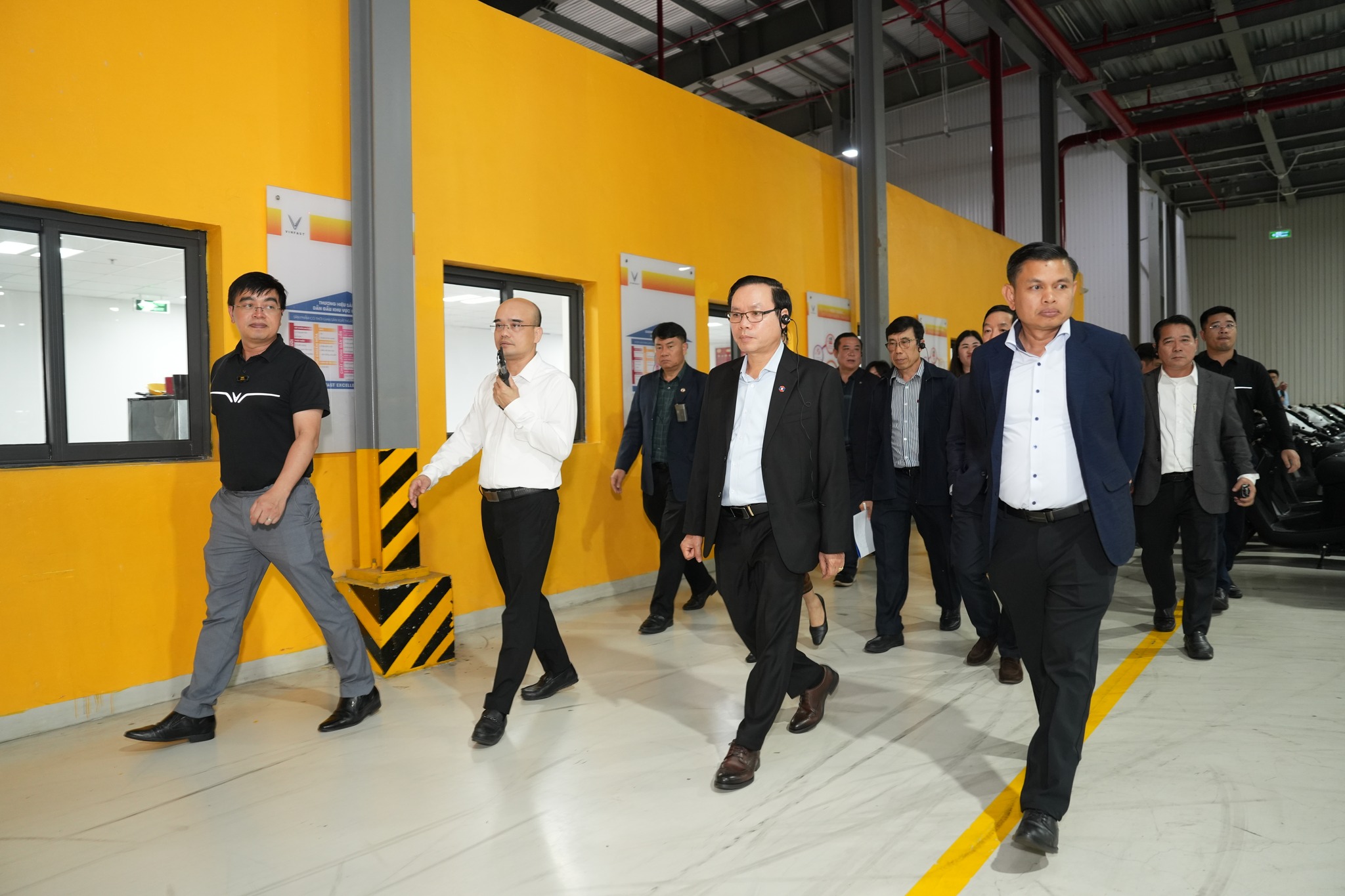
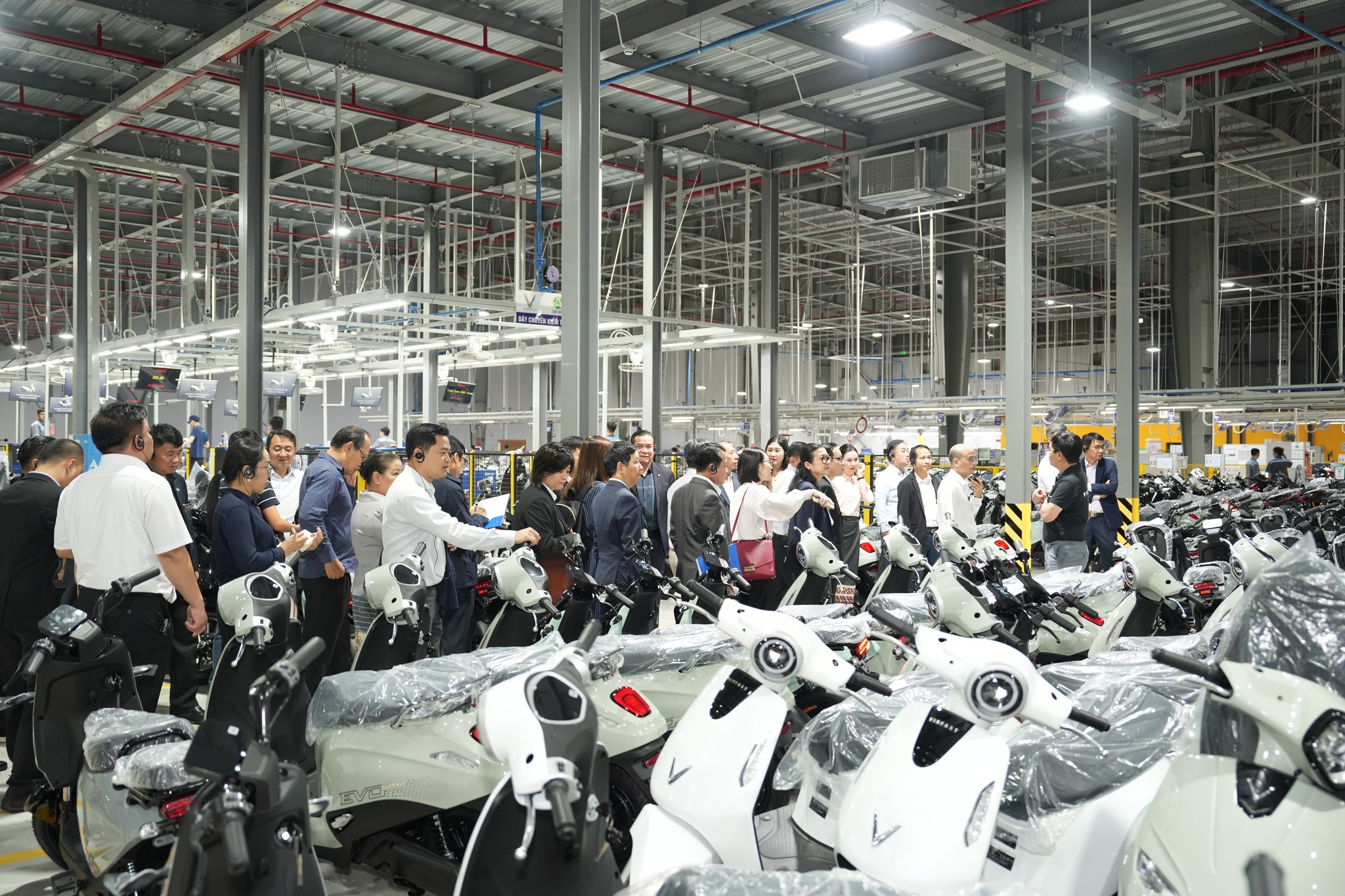
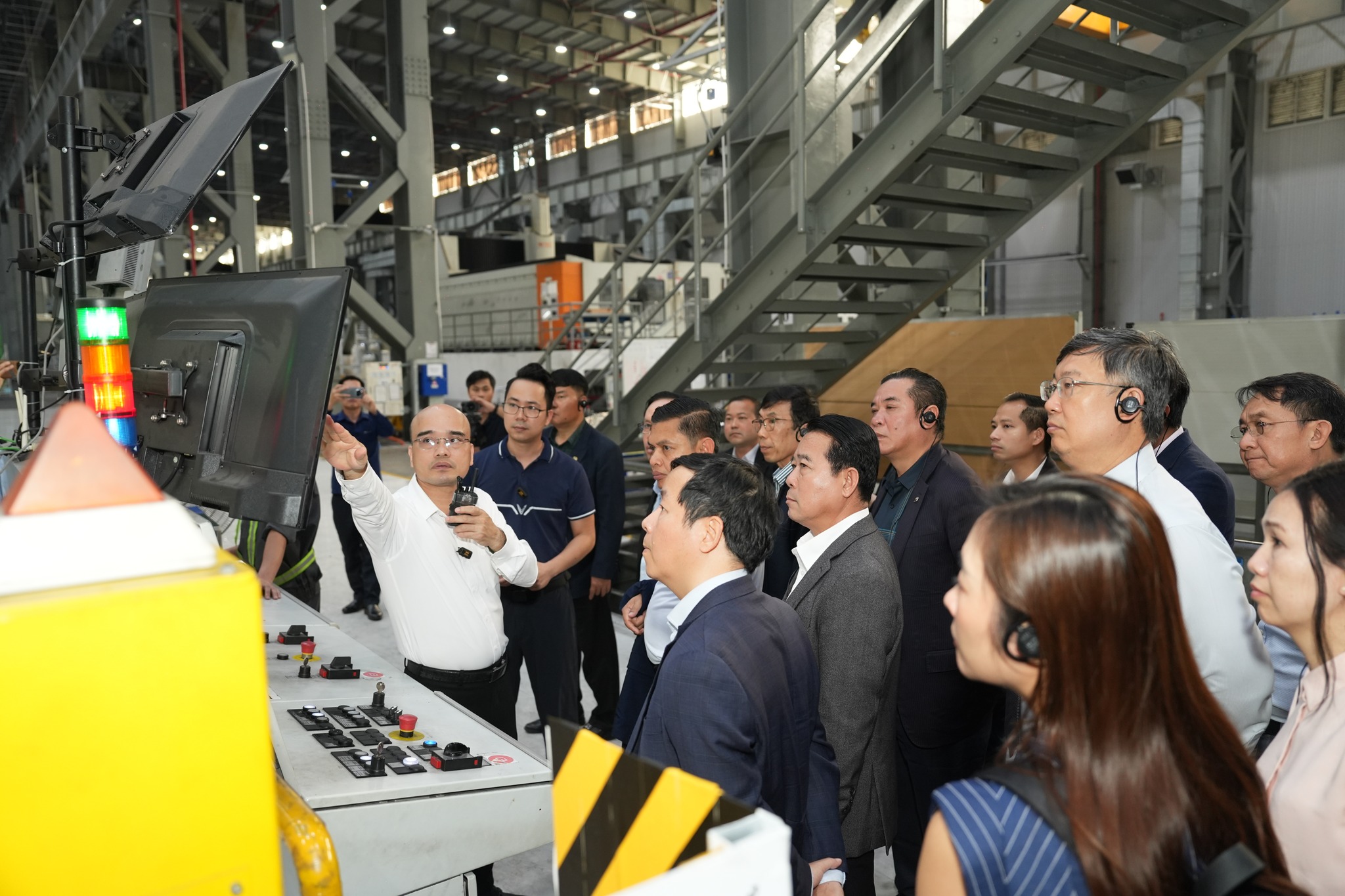
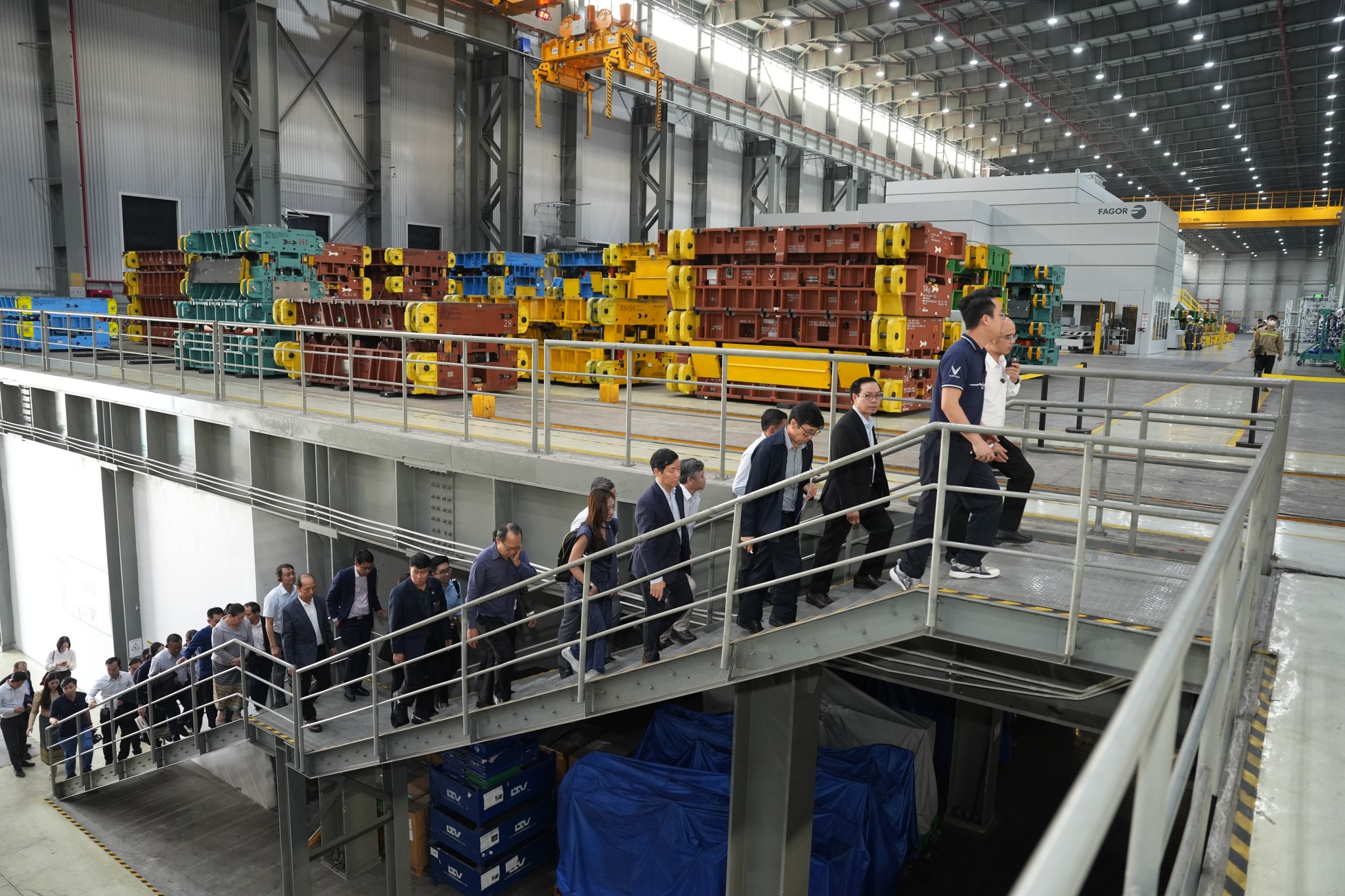
LELP 2026 delegation site visit at Vinfast Factory Hai Phong.
Importantly, discussions with Becamex leadership went beyond showcasing success. They explored the foundational drivers behind this model, including site selection for industrial parks, infrastructure development, and investor attraction strategies. Equally significant were candid reflections on setbacks and the costs incurred during the development process, offering a more grounded understanding of industrialization—highly relevant for Lao provinces undergoing similar transitions.
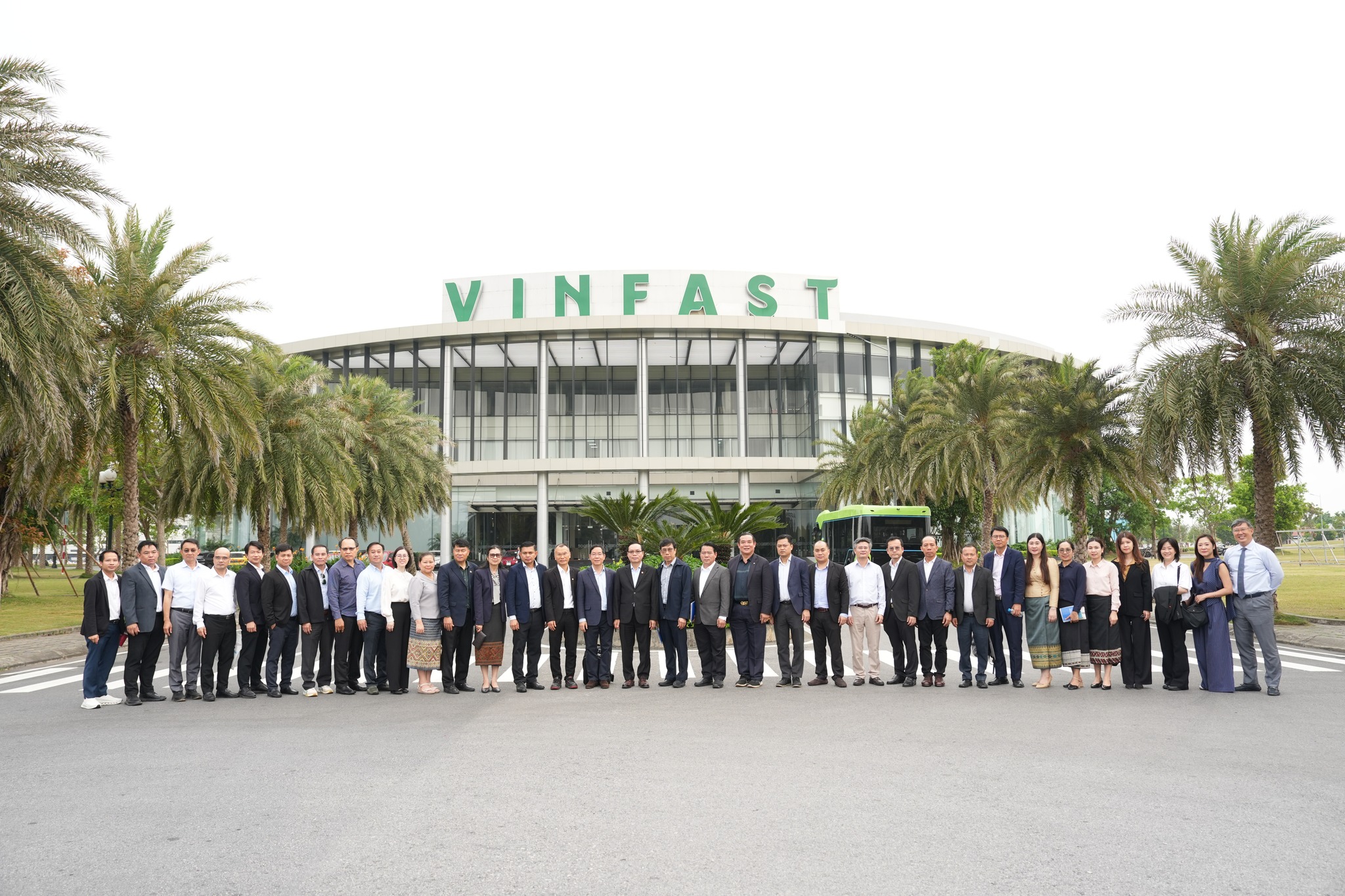
LELP 2026 delegation site visit at Vinfast - Hai Phong.
In Hai Phong, the delegation held working sessions with the Hai Phong Economic Zone Authority, gaining insights into a development model anchored in logistics and modern industry. With its large-scale seaport system and the presence of multinational corporations, Hai Phong has emerged as a key manufacturing and export hub within global value chains. Discussions focused on the investment climate, fiscal decentralization mechanisms, and the proactive role of local authorities in facilitating business development.
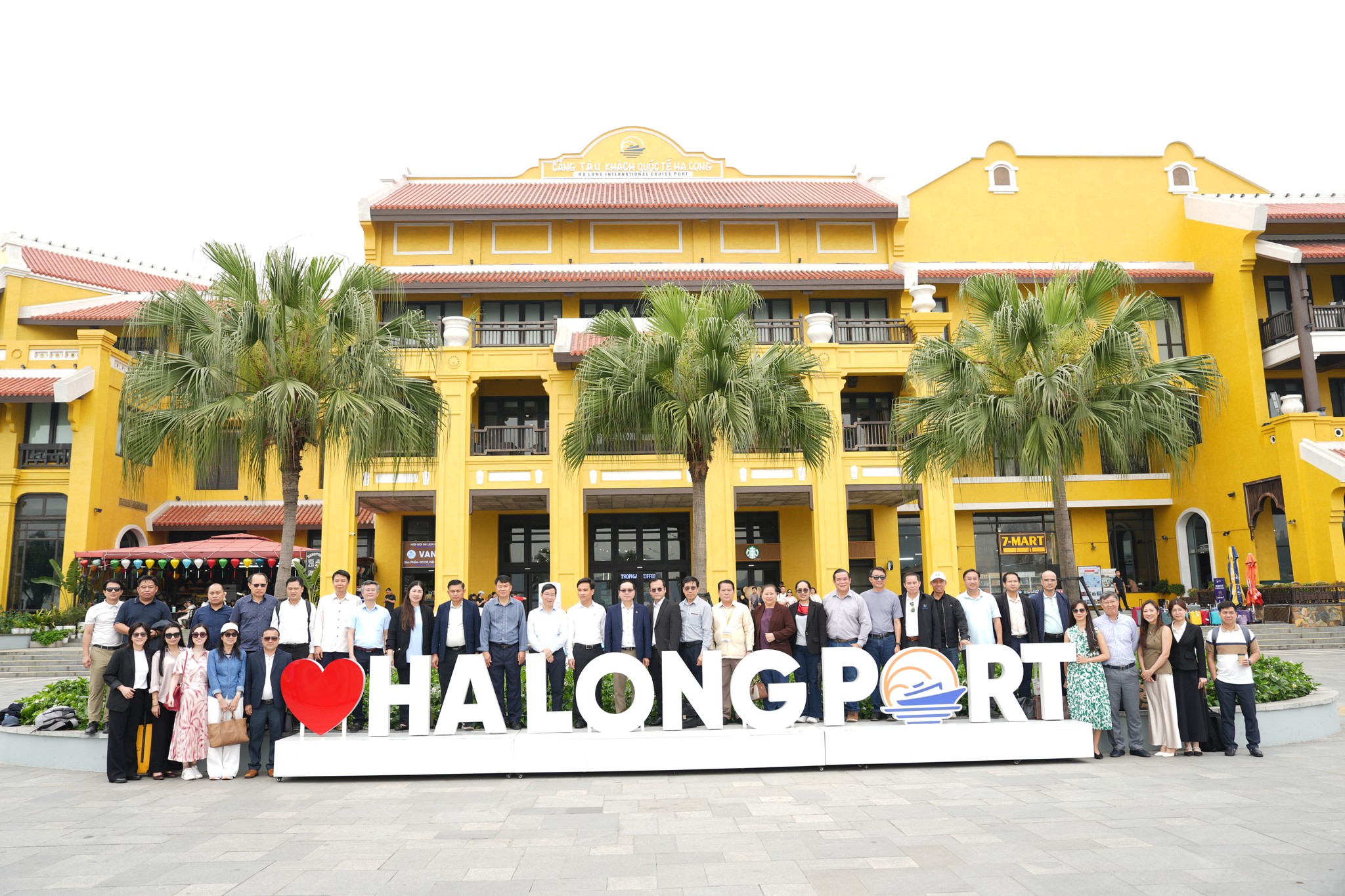
LELP 2026 delegation and Management Board of Ha Long Bay – Yen Tu World Heritage.
The visit to VinFast Manufacturing Complex further enriched perspectives on modern industrial development. The scale, technological integration, and rapid implementation of the project highlighted Vietnam's capacity to attract and execute large-scale industrial investments within a relatively short timeframe, aligned with long-term local development strategies.
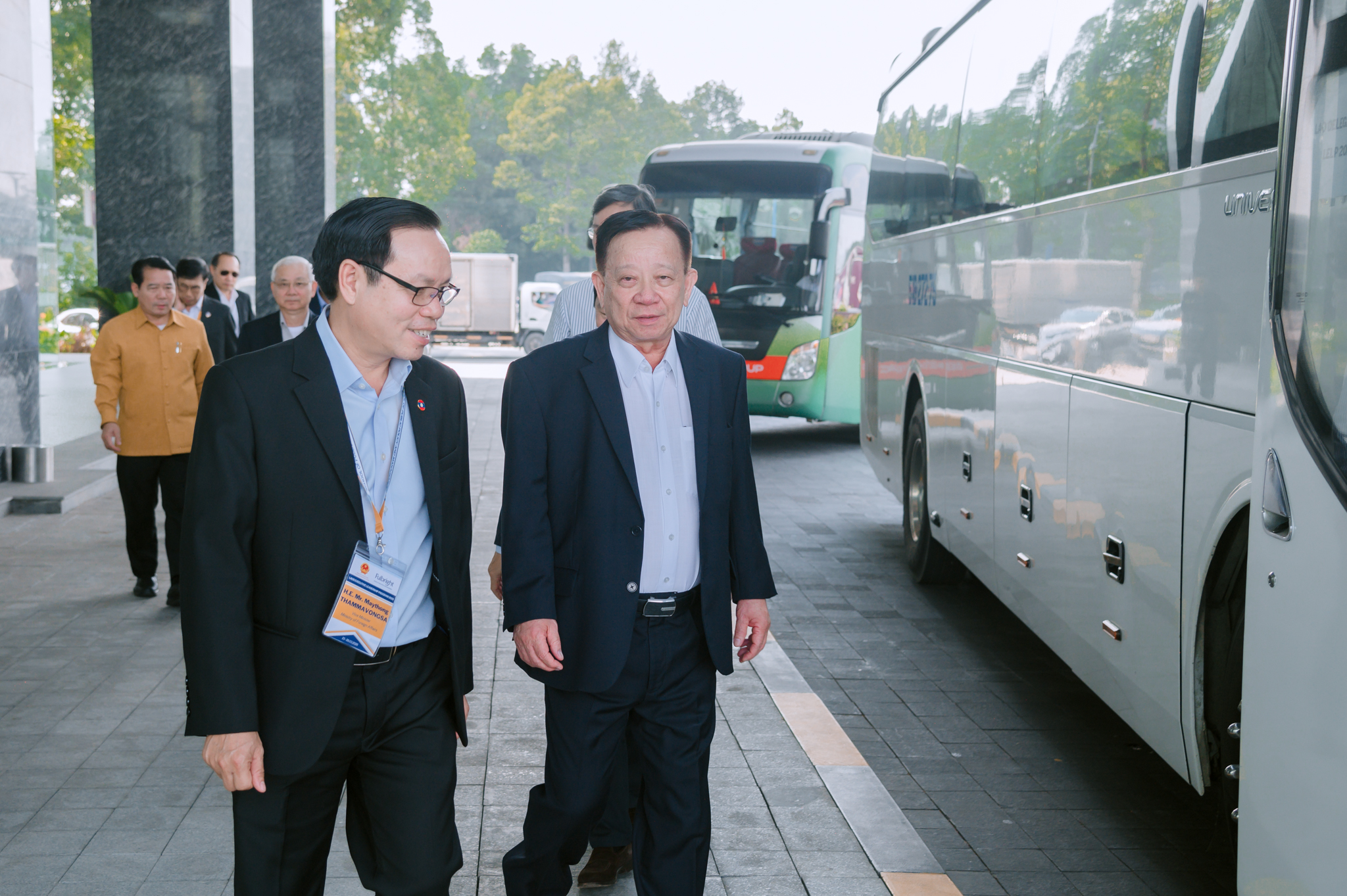
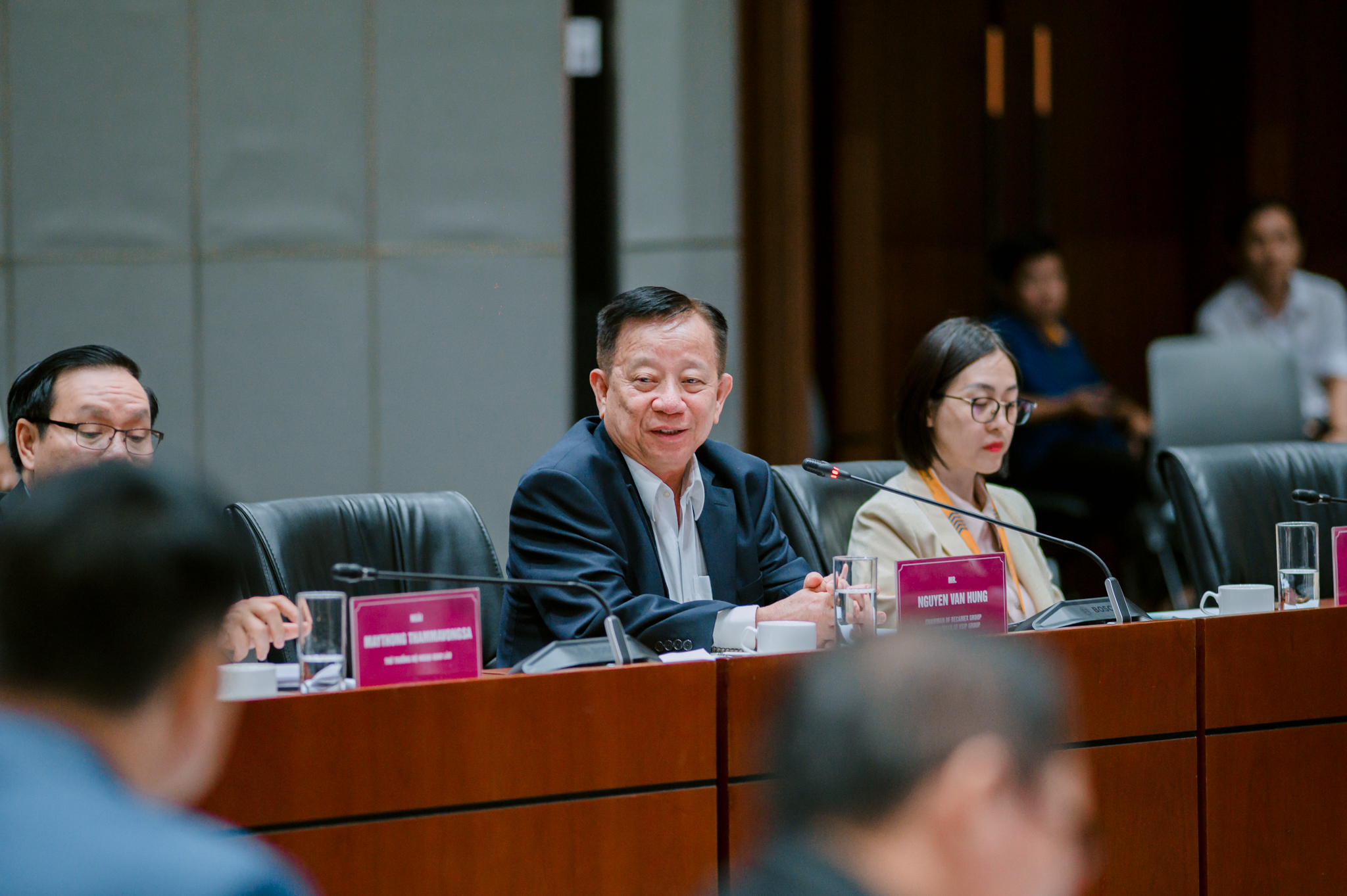
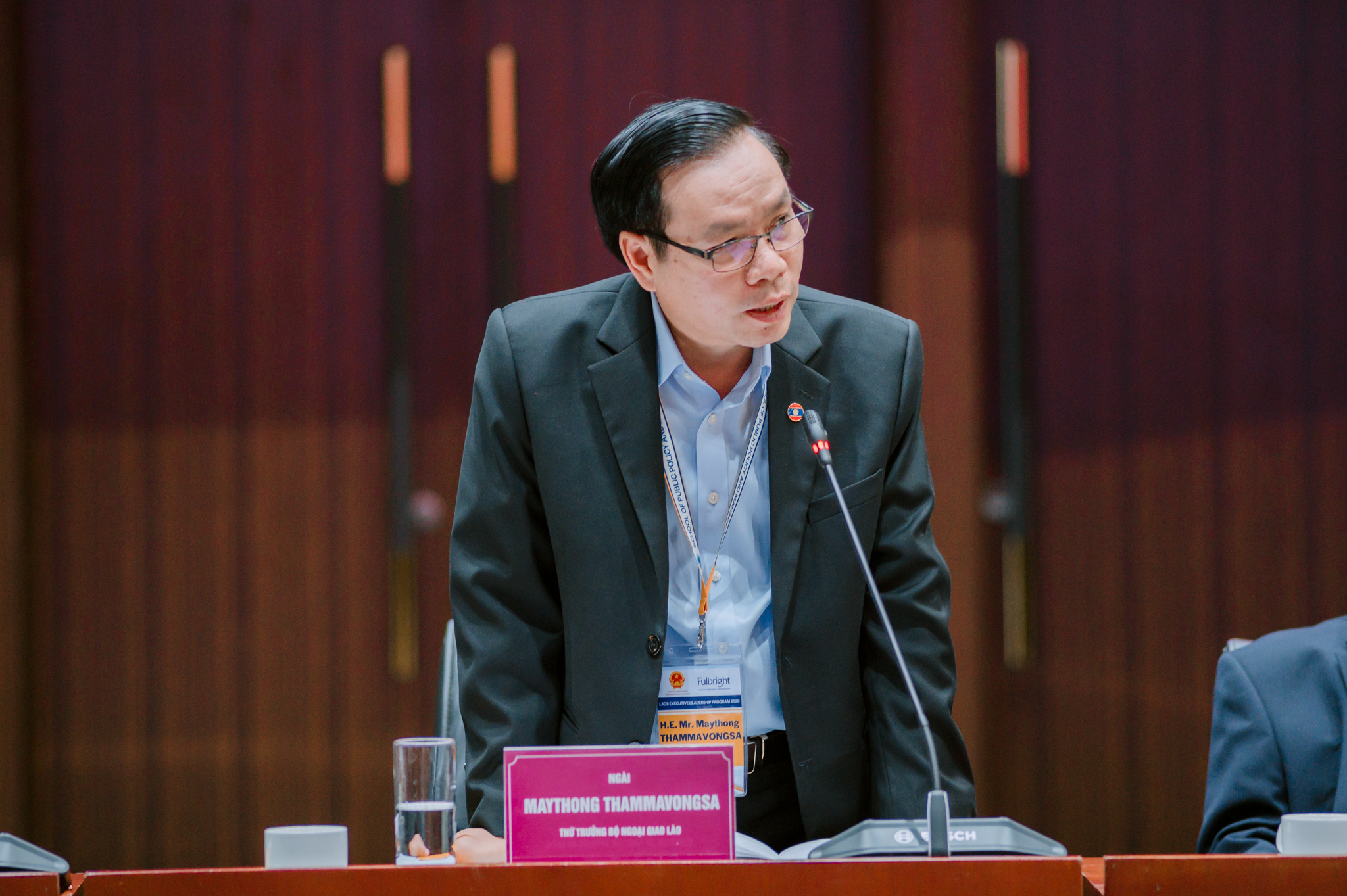
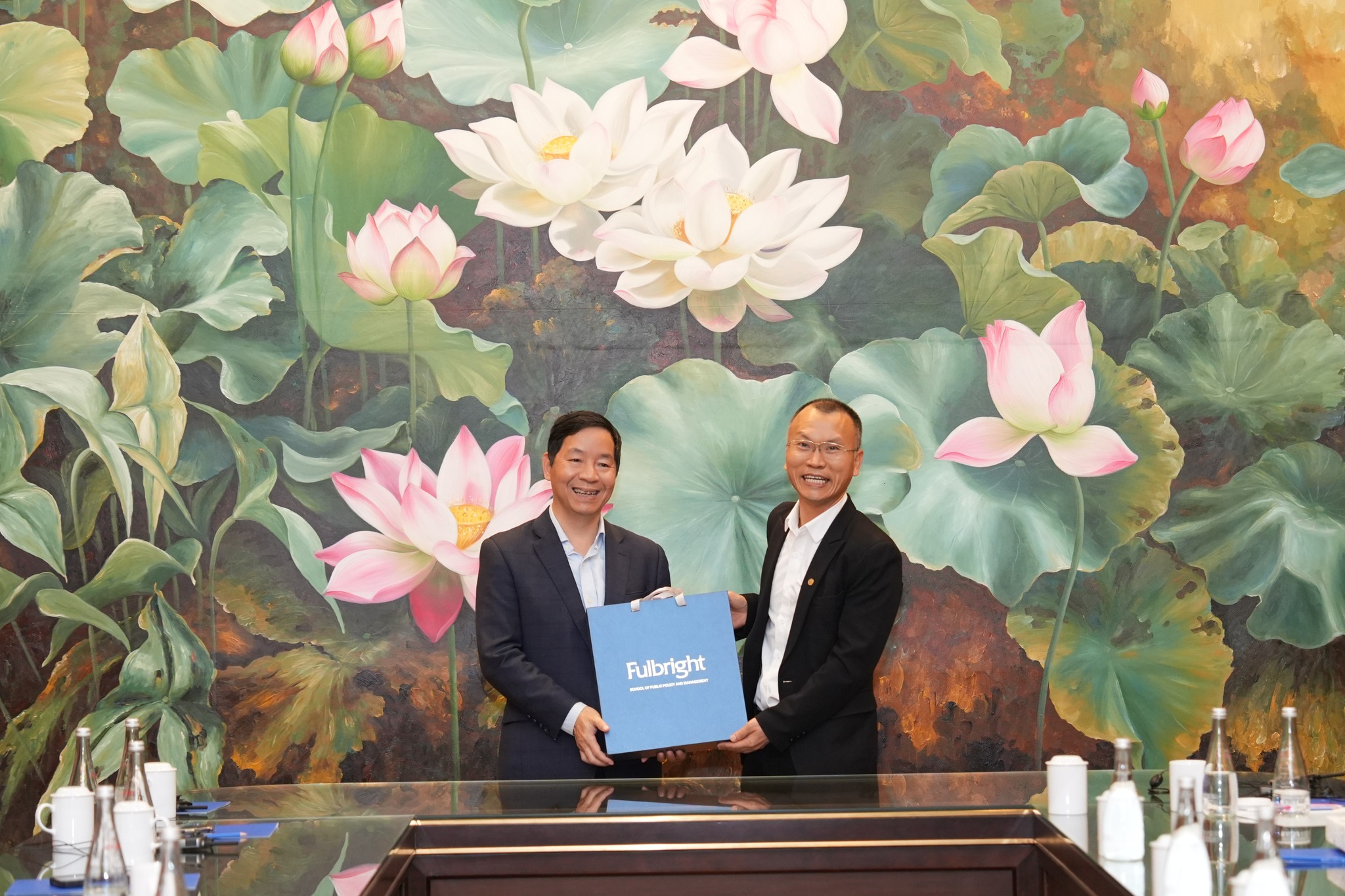
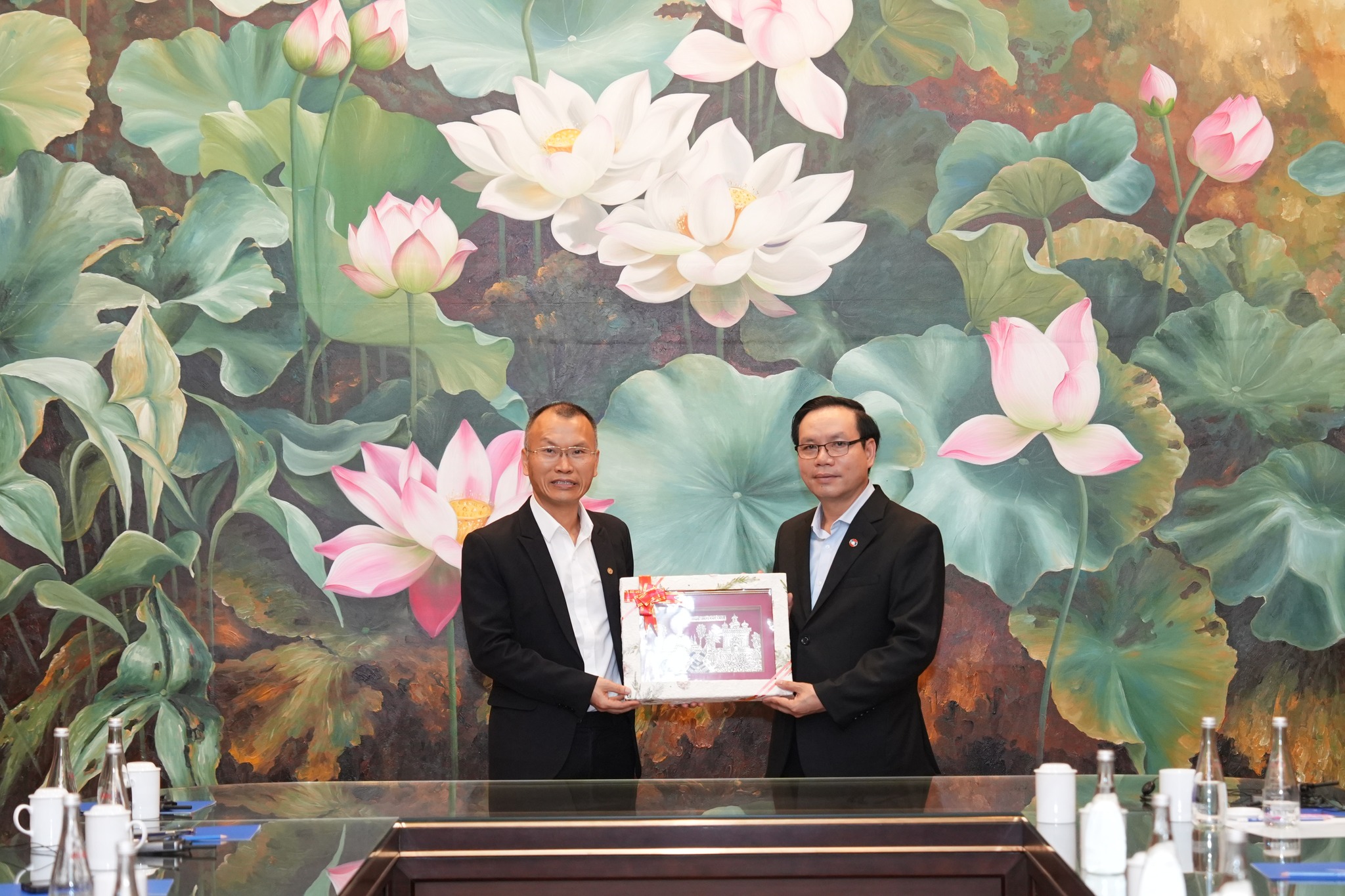
H.E. Mr. Maythong Thammavongsa, Deputy Minister of Foreign Affairs of Laos DPR (left), and Mr. Nguyen Van Hung, Chairman of the Board of Directors of Becamex Group.
In Quang Ninh, the delegation engaged with the Management Board of Ha Long Bay – Yen Tu World Heritage. Discussions centered on the province's transition from a resource-dependent growth model toward a service- and tourism-based economy. Comprehensive public administration reforms, combined with clear strategic direction, have enabled Quang Ninh not only to sustain high growth rates but also to enhance the quality and sustainability of development.
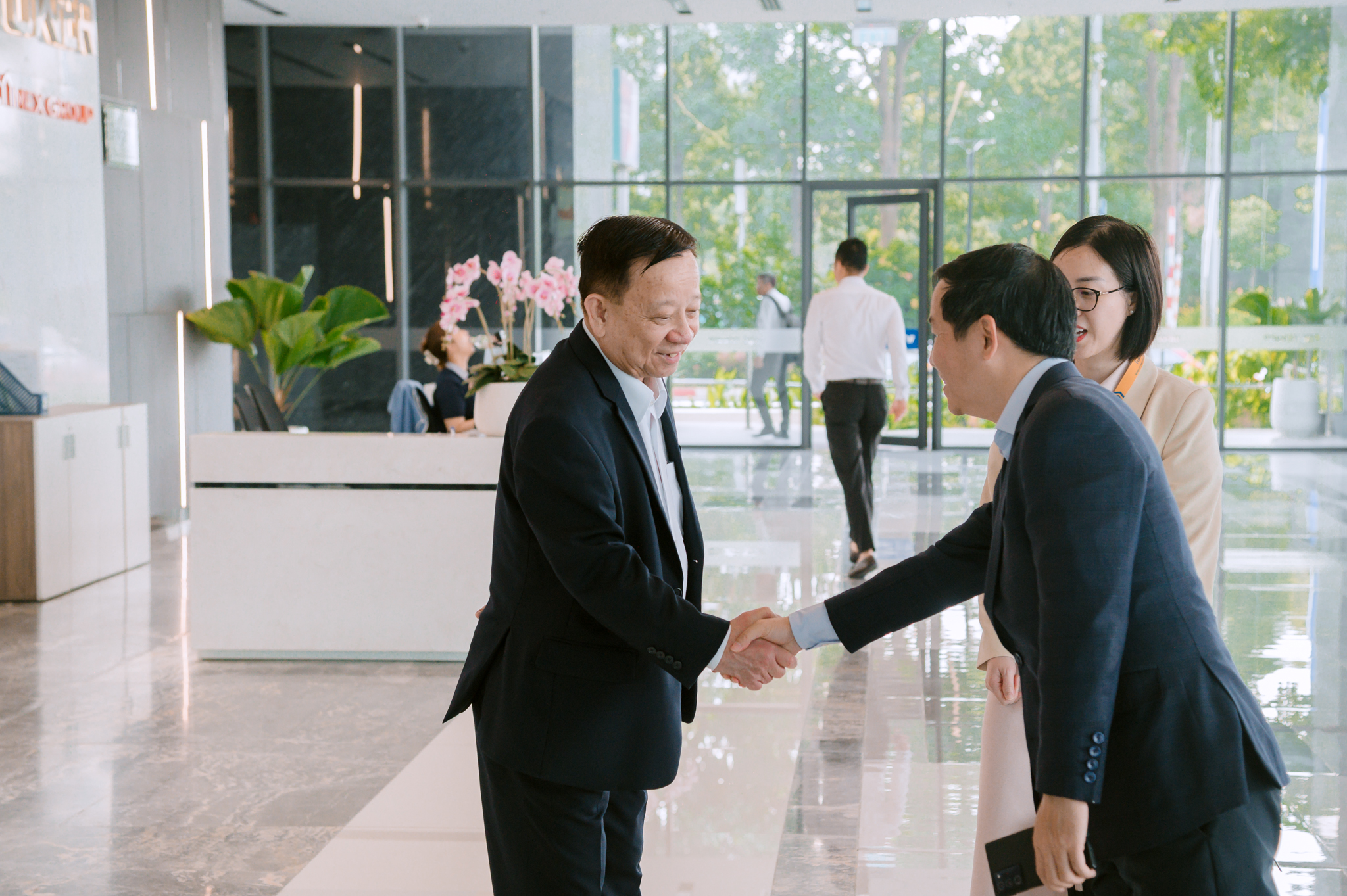
Mr. Nguyen Van Hung, Chairman of the Board of Directors of Becamex Group (left) welcomed Dr. Vu Thanh Tu Anh, FSPPM Senior Lecturer and the delegation.
Reflecting on the program, Mr. Norkeo Tongneng, Deputy Director of the Department of Foreign Affairs of Oudomxay Province, shared:
"This is a highly valuable opportunity for us to learn and exchange experiences. The program's content—particularly the models of economic zone development and investment attraction—offers practical relevance for policymaking at the local level. These lessons provide a useful basis for us to consider how to adapt them to the specific conditions of our province in the coming period."
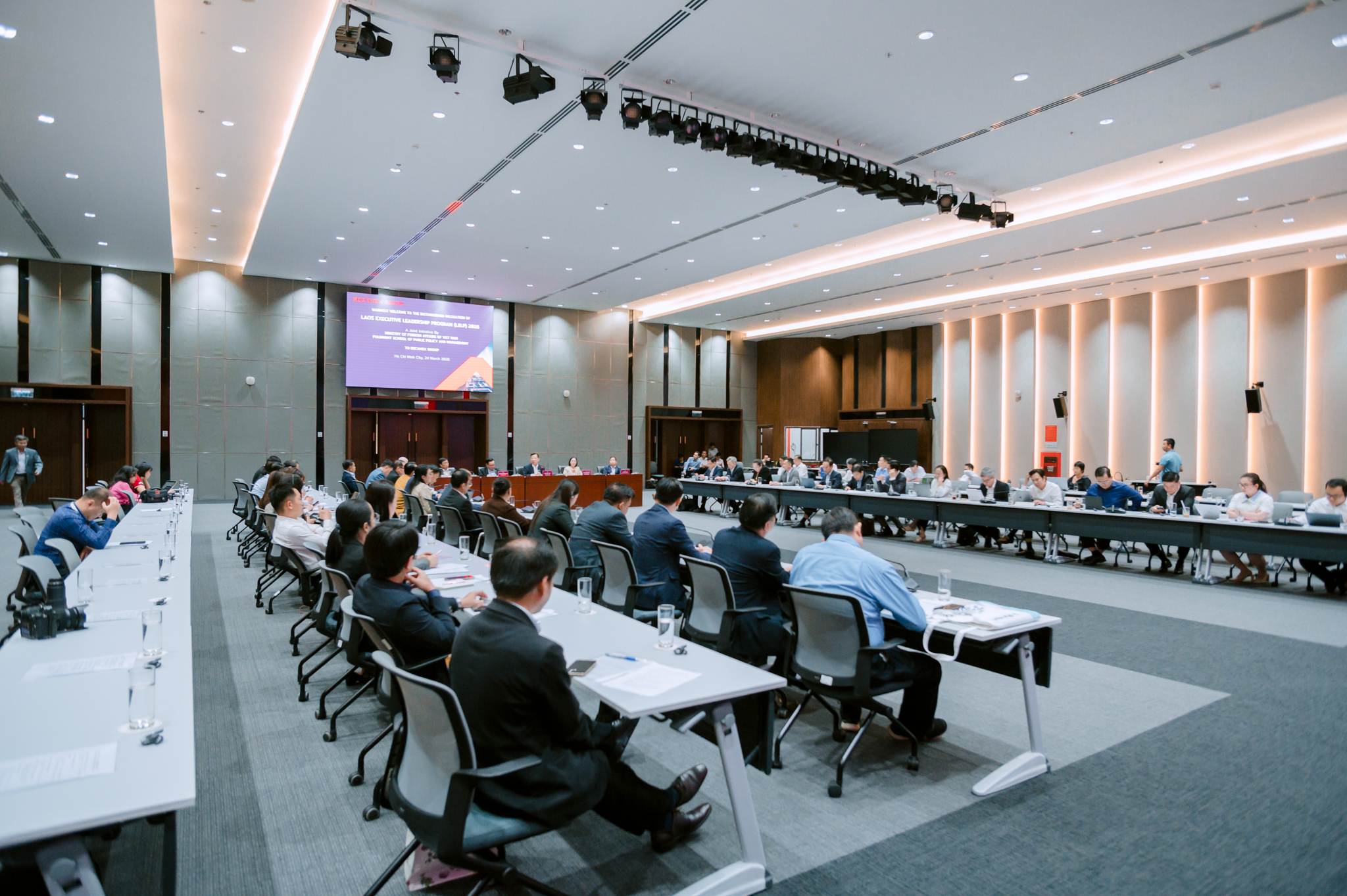
ELP 2026 delegation meeting with Becamex Group leadership.
According to Mr. Norkeo, lessons on planning, infrastructure development, and the selection of appropriate development models can be directly translated into actionable policies at the provincial level.
LELP 2026 once again reaffirmed the role of the Fulbright School of Public Policy and Management (FSPPM) in designing executive education programs that are closely linked to practice. By enabling policymakers to engage directly with real-world development models and international experiences, the program strengthens both strategic thinking and policy implementation capacity.
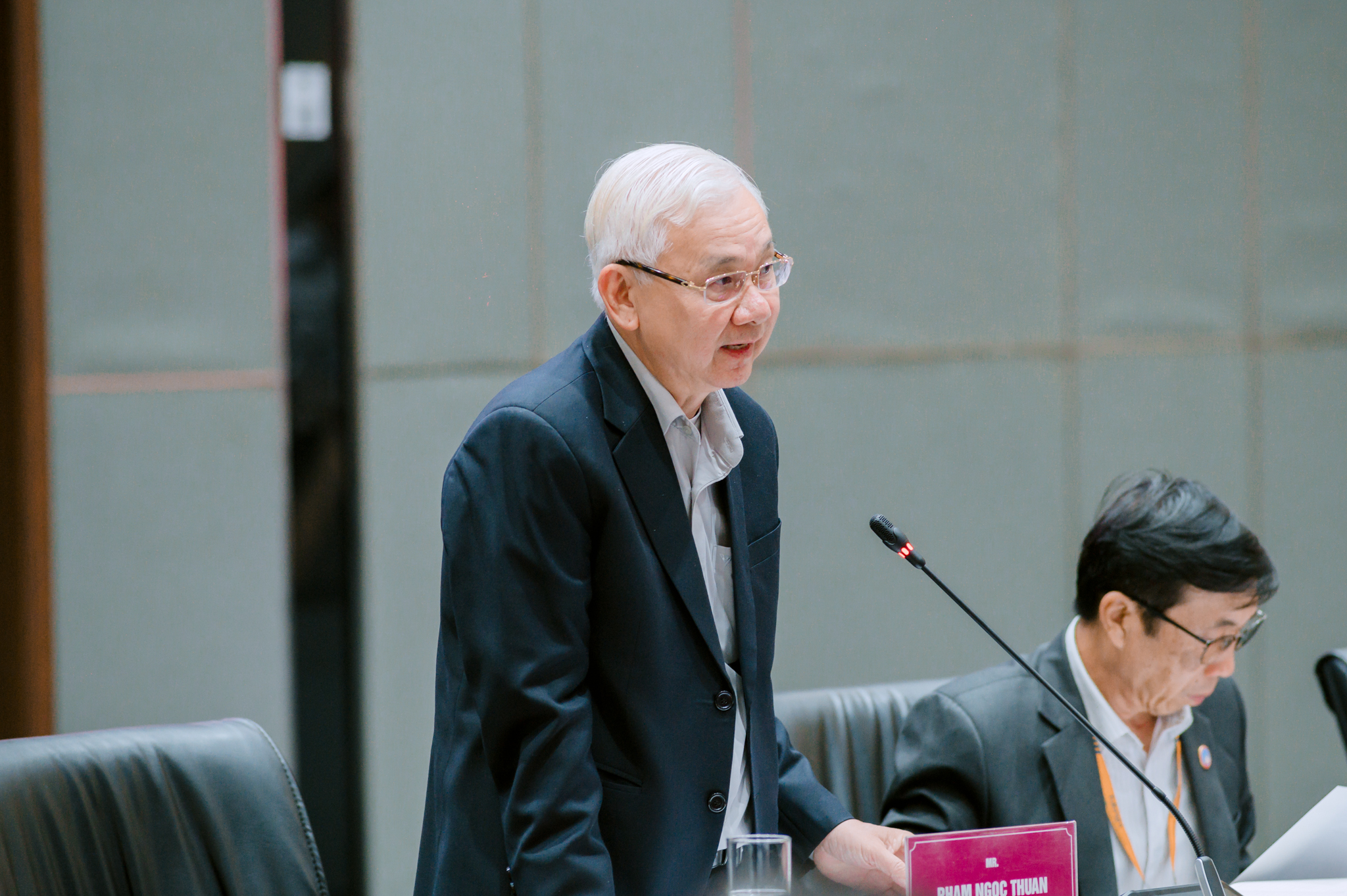
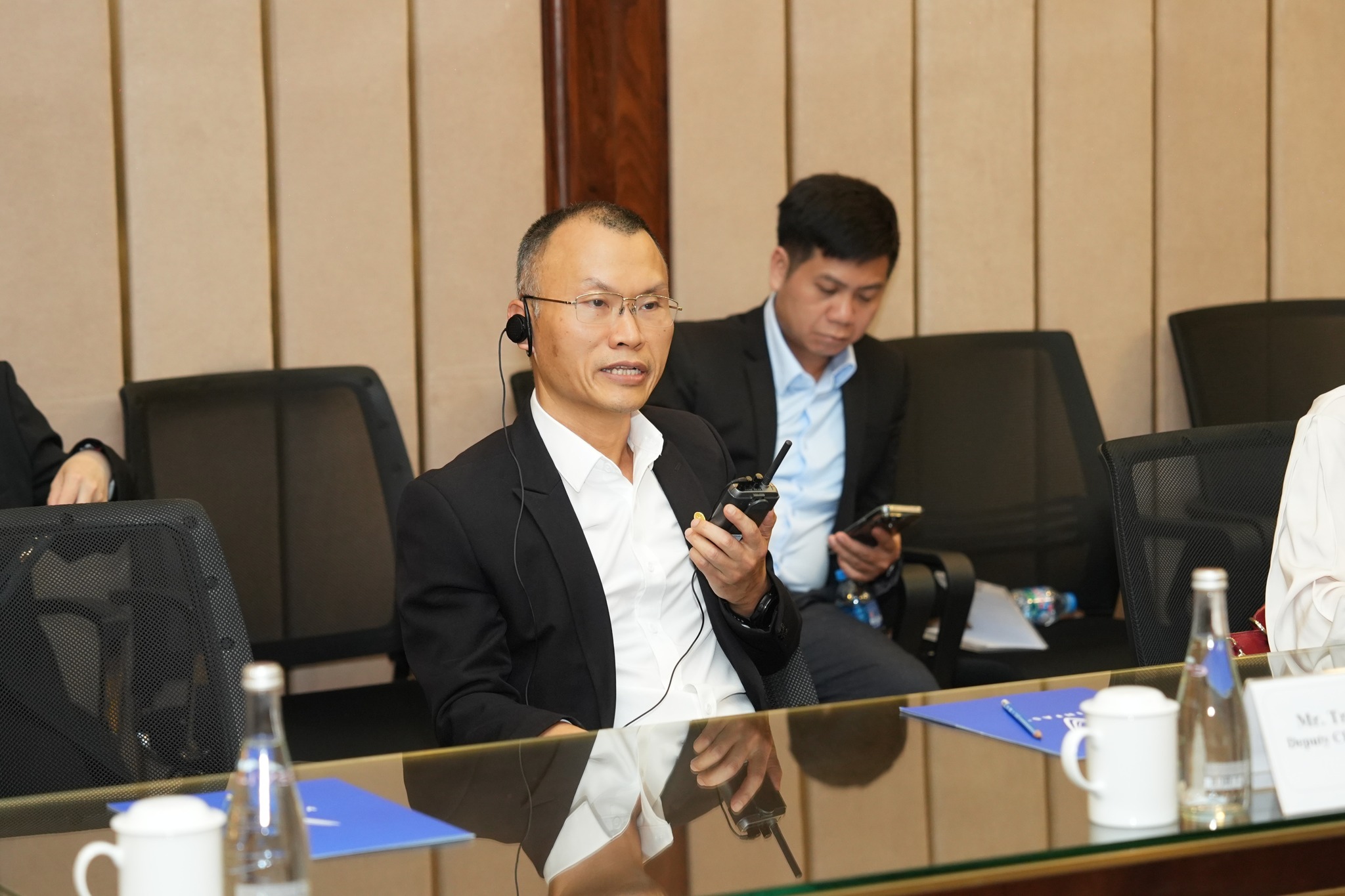
Mr. Pham Ngoc Thuan, Becamex Group Vice Chairman shared his insights at the meeting.
LELP 2026 is organized with financial support from the U.S. Department of State. The Program is a collaborative initiative between the Vietnam Ministry of Foreign Affairs, the Fulbright School of Public Policy and Management, and the Ho Chi Minh National Academy of Politics. It is designed as a high-level policy dialogue platform for senior policymakers, government officials, and business leaders from Laos. By grounding discussions in Laos' socio-economic context and drawing on regional reform experiences—particularly those of Vietnam—the program aims to support the translation of strategic goals outlined at the 12th National Congress of the Lao People's Revolutionary Party (January 2026) into feasible and effective policy options and action plans.
- Uyen Vu
Some of other photographs:
Related Articles
From Financial Reform to Digital Transformation: Policy Foundations for Laos' Development through LELP 2026
Successful Implementation of Decentralization in the Digital Era - Sharing Experiences between Vietnam and the Nordic Countries