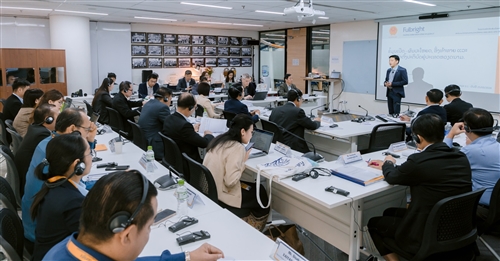
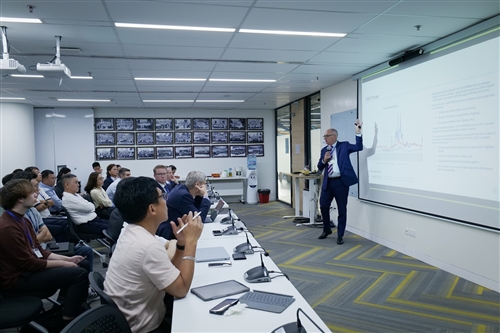
Energy experts, policymakers, and industry stakeholders convened at Fulbright University Vietnam on April 14, 2026, for a seminar introducing the AIEN Model International Liquefied Natural Gas (LNG) Sale & Purchase Agreement (SPA) 2025, and offering timely insights into the rapidly evolving global energy landscape.
Co-hosted by the Fulbright School of Public Policy and Management (FSPPM) and the Association of International Energy Negotiators (AIEN), the event took place amid heightened geopolitical uncertainty and growing pressure on countries like Vietnam to secure reliable, affordable, and sustainable energy sources.
Opening the seminar, Dr. Jonathan Pincus, Dean of FSPPM highlighted Fulbright’s role as a leading public policy institution in Southeast Asia and its strong research focus on energy transition and policy challenges in Vietnam. He emphasized the importance of multi-stakeholder dialogue in addressing complex energy issues and welcomed AIEN as a long-term partner in advancing knowledge exchange.
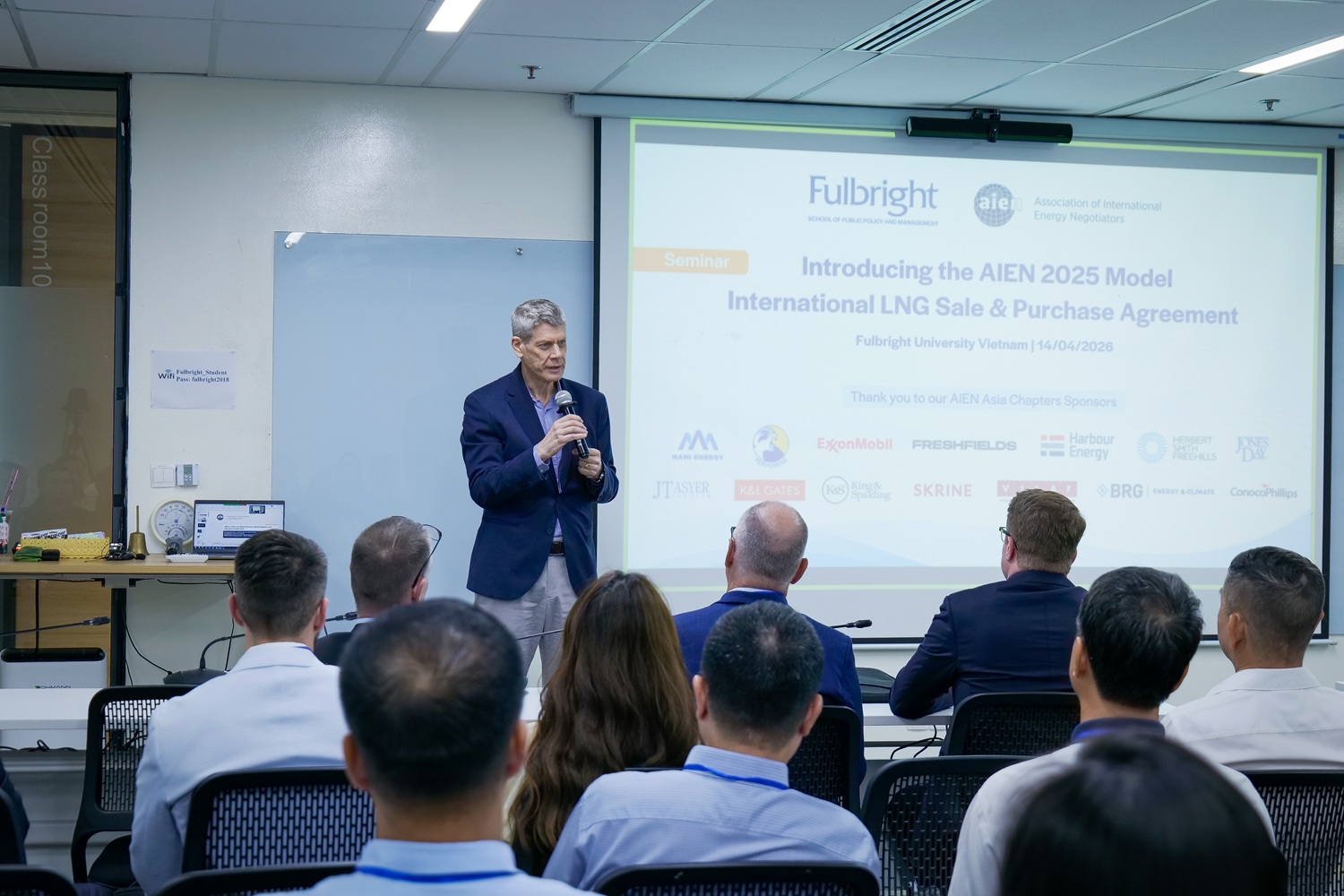
Jonathan Pincus, Dean of Fulbright School of Public Policy and Management delivered opening remarks.
Introducing AIEN, Mr. Paul Greening, Regional Director for Asia and Partner at Jones Day, highlighted the organization's global role in supporting energy negotiations across legal, commercial, and technical domains. With nearly 3,000 members worldwide, AIEN has built a reputation for developing widely used model contracts that help standardize complex transactions in the energy sector.
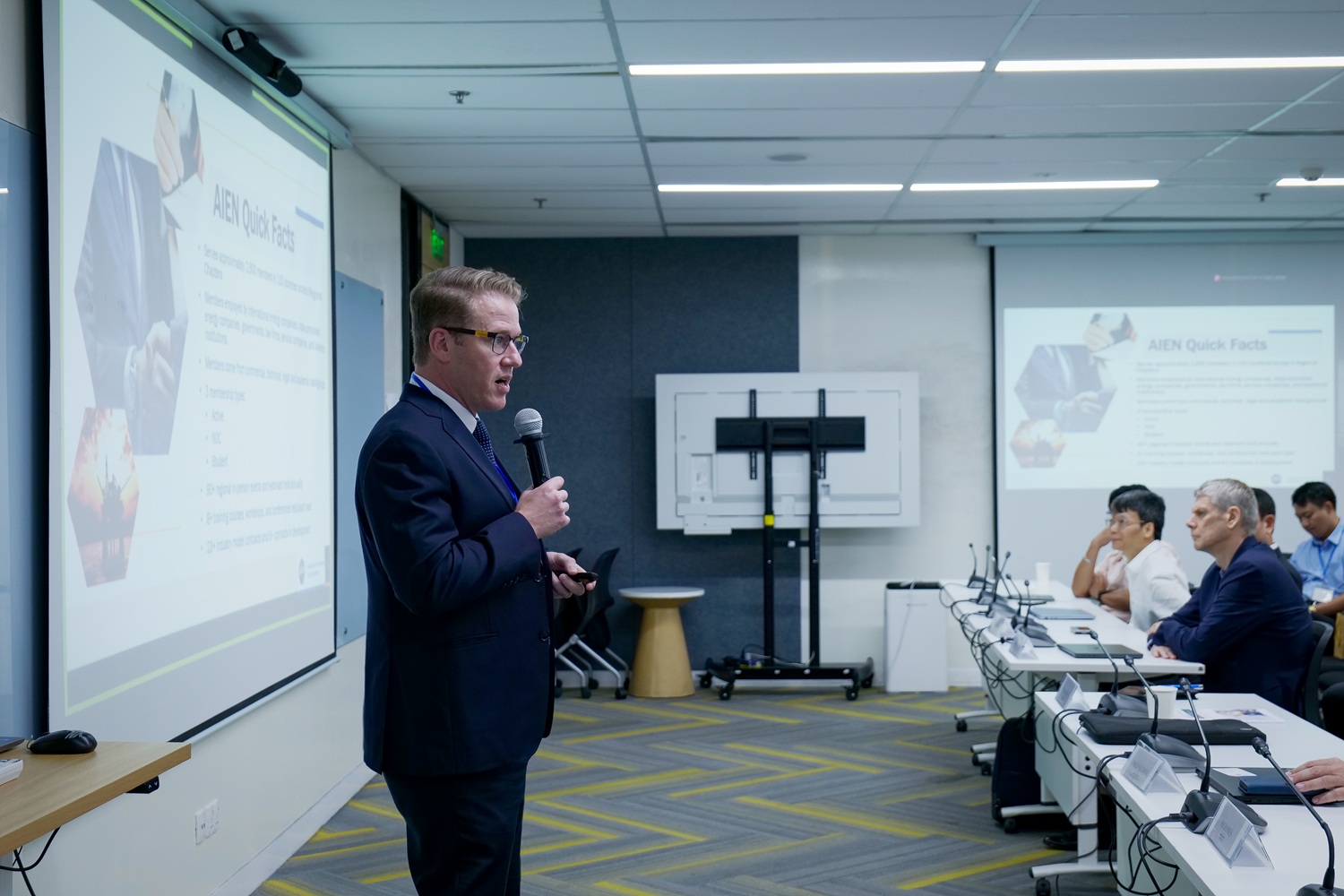
Mr. Paul Greening, AIEN Regional Director, Asia; Partner of Jones Day gave an introduction about AIEN and AIEN 2025 Model LNG Sale & Purchase Agreement.
Shifting Dynamics and Rising Risks in the Global LNG Market
Providing a global market perspective, Mr. Phillip Solomon, Managing Director at BRG's Energy & Climate Practice, outlined key structural shifts in the LNG landscape. Global supply has grown rapidly, reaching approximately 434 million tonnes, with major expansions led by the United States and Qatar—two players expected to dominate supply and pricing dynamics in the coming decade. While this surge could lead to oversupply, demand remains strong, particularly across Asia-Pacific, which continues to drive global LNG consumption.
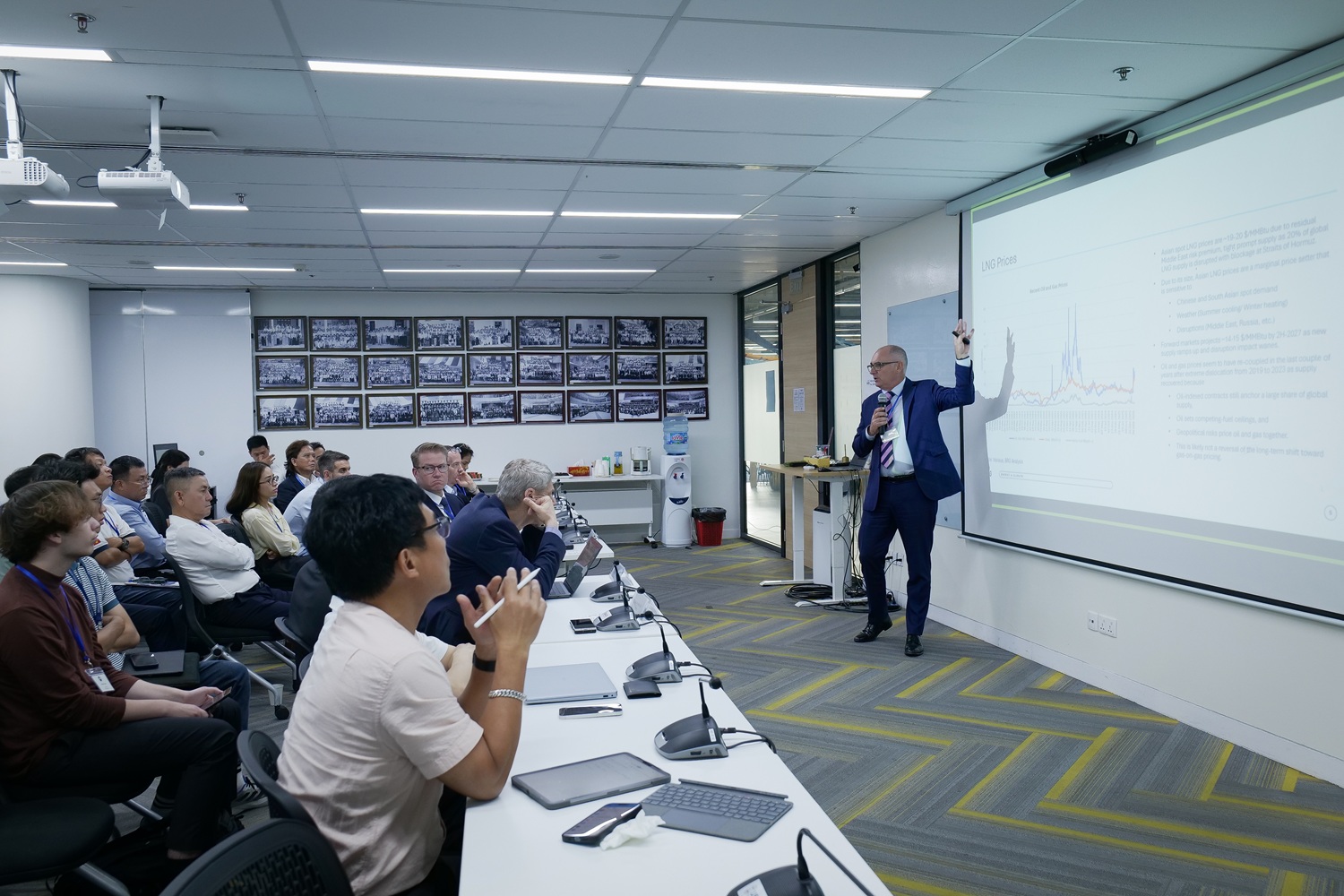
Mr. Phillip Solomon, Managing Director, Energy & Climate Practice, BRG presented on The Evolving LNG Landscape - How Recent Disputes Inform Modern SPAs.
Solomon also underscored the growing volatility in LNG prices, driven by geopolitical disruptions such as the war in Ukraine and tensions in the Middle East. These events have not only affected supply chains but also reshaped pricing mechanisms, with gas and oil price linkages increasingly diverging and creating both opportunities and disputes in contract negotiations. In addition, he pointed to risks in shipping and infrastructure, noting that chokepoints like the Strait of Hormuz could significantly disrupt global flows.
A Standardized Framework for Modern LNG Contracting
Introducing the AIEN 2025 Model LNG Sale & Purchase Agreement (SPA), Mr. Greening noted that the Model LNG SPA 2025 reflects years of collaboration among over 400 experts and responds directly to the growing complexity of LNG markets. As LNG trading becomes more flexible and globalized, he stressed, having a neutral and adaptable contractual framework is increasingly critical to reducing negotiation time, managing risk, and ensuring bankability for large-scale energy projects.
The SPA is designed as a neutral, standardized starting point to help reduce negotiation time and transaction costs, and is structured around 27 articles covering key provisions such as pricing, volume, liability, force majeure, and greenhouse gas considerations, supported by guidance notes and negotiation templates. It incorporates core commercial mechanisms including take-or-pay provisions to ensure revenue certainty, price review options based on time or specific events, as well as provisions on volume flexibility and destination flexibility. Greening also highlighted the central role of force majeure clauses in the current geopolitical context, noting their relevance in major disruptions such as those affecting global LNG trade, alongside legal principles under English law. The model further reflects emerging trends in LNG contracting, including a shift toward gas-indexed pricing, the growing role of GHG-neutral frameworks, and differences between U.S. contract structures and more traditional models.
Vietnam's Evolving Energy Strategy and Policy Challenges
From a Vietnam-focused perspective, Mr. Luu Hoang Ha, Chairman of Nami Energy and Vietnam Representative in AIEN Asia Chapter Executive Committee, discussed the country's evolving energy strategy. Vietnam is shifting its priorities toward a framework centered on energy security, sustainability, and a gradual transition, reflecting both domestic constraints and global climate commitments. Ha highlighted several structural challenges, including slow regulatory reform, limited reserve capacity, and difficulties in attracting private investment due to concerns over project bankability.
He emphasized the need for clearer policy frameworks, improved institutional capacity, and a more balanced role between state-owned enterprises and private investors. In the near term, he suggested solutions such as scaling up renewable energy combined with storage, improving energy efficiency, and strengthening demand-side management.
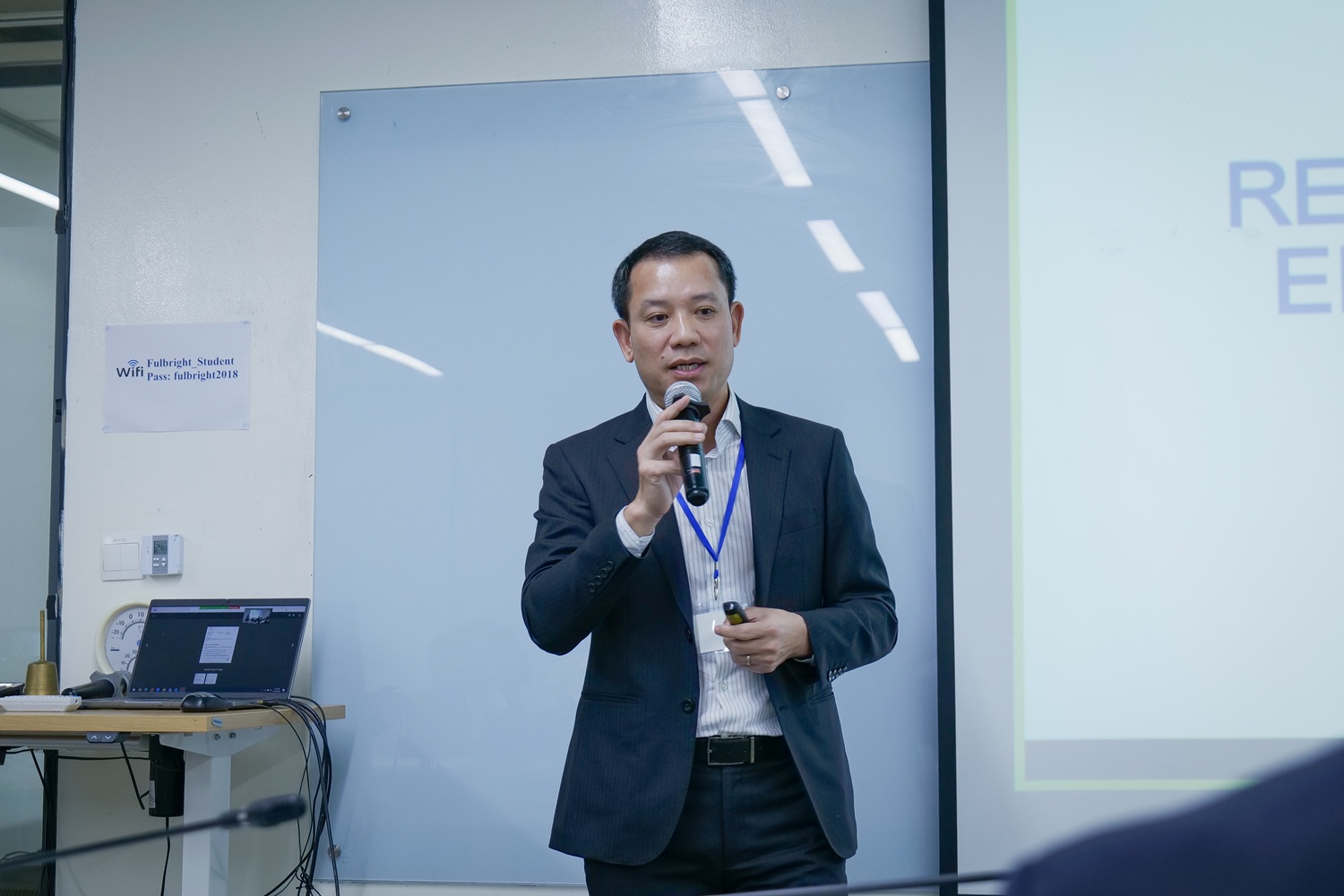
Mr. Luu Hoang Ha, Chairman of Nami Energy and Vietnam Representative in AIEN Asia Chapter Executive Committee presented about Revisiting Vietnam Energy Strategy - Key Considerations.
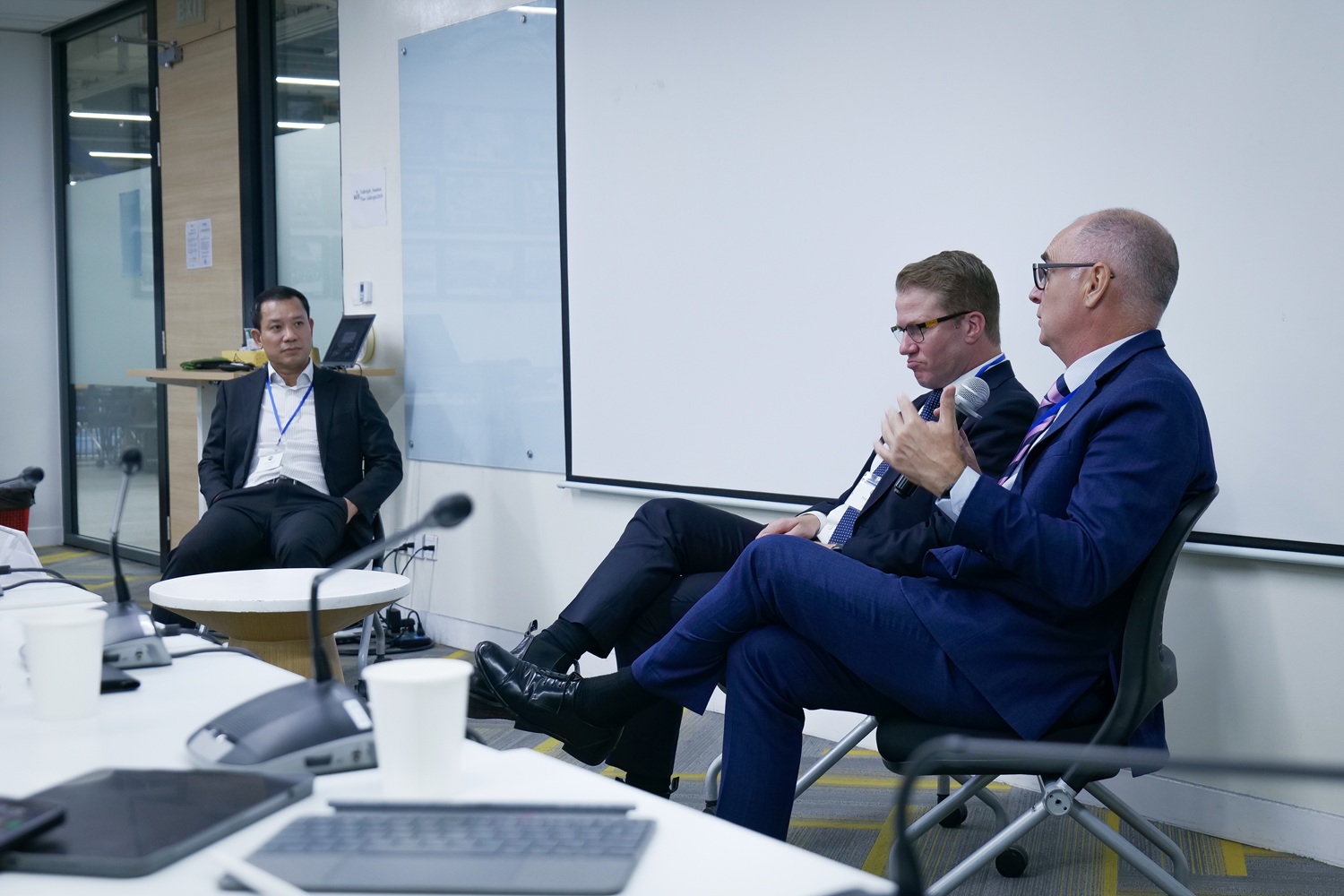
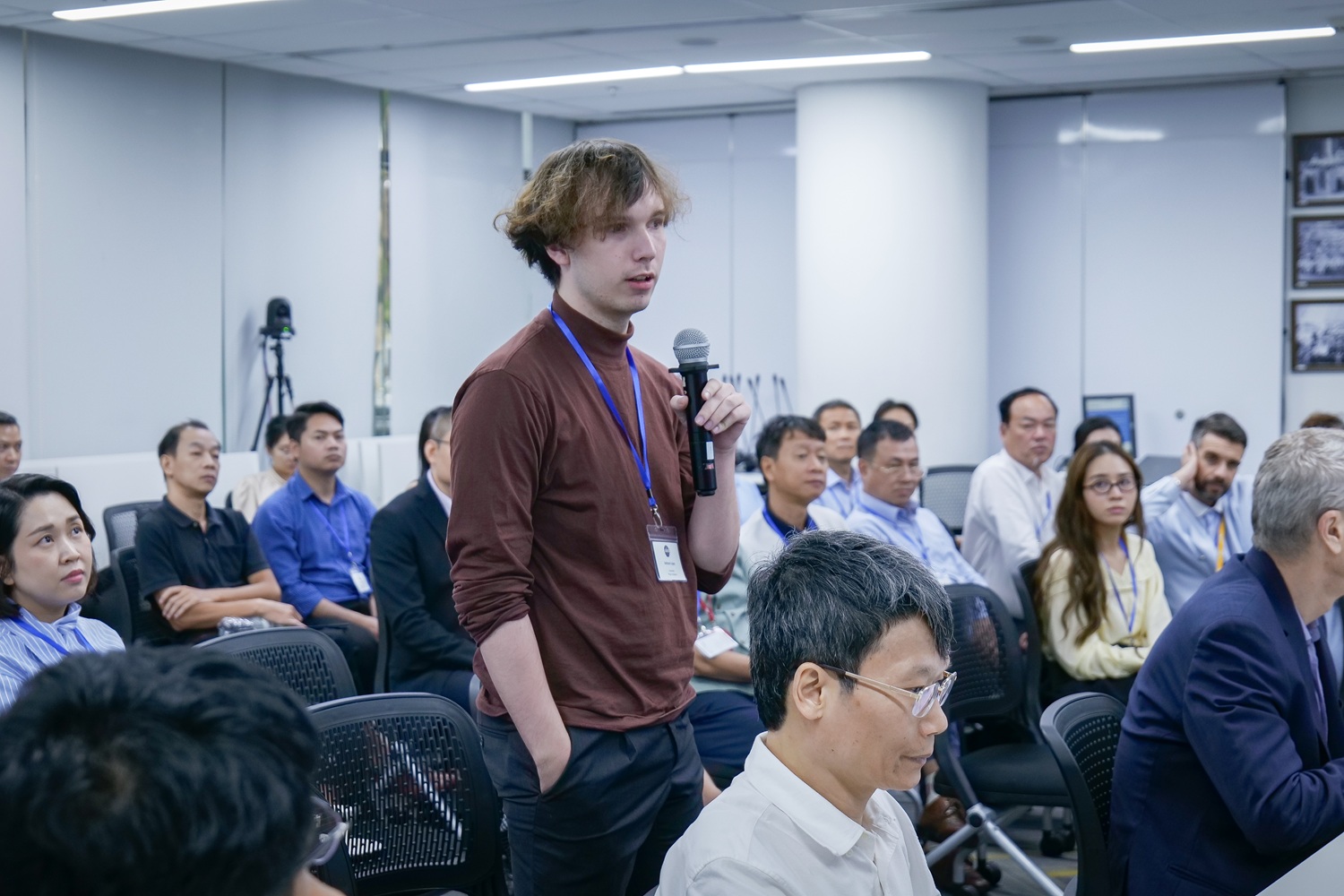
The event concluded with a Q&A session moderated by Mr. Luu Hoang Ha and featuring both Greening and Solomon, further explored how countries and companies can navigate uncertainty in LNG markets. A key theme was the importance of supply diversification, with panelists agreeing that over-reliance on a single supplier poses significant risks. They also discussed the growing complexity of price review mechanisms, noting that while such clauses are essential in long-term contracts, they often lead to disputes due to the difficulty of assessing market changes and geopolitical events. Increasingly, market-based pricing indices are being adopted as a way to reduce reliance on renegotiation.
The seminar marked AIEN's first introduction of its new LNG SPA globally, offering stakeholders in Vietnam and the region timely insights into the contractual and market frameworks shaping the future of global energy.
Some photos at the event:

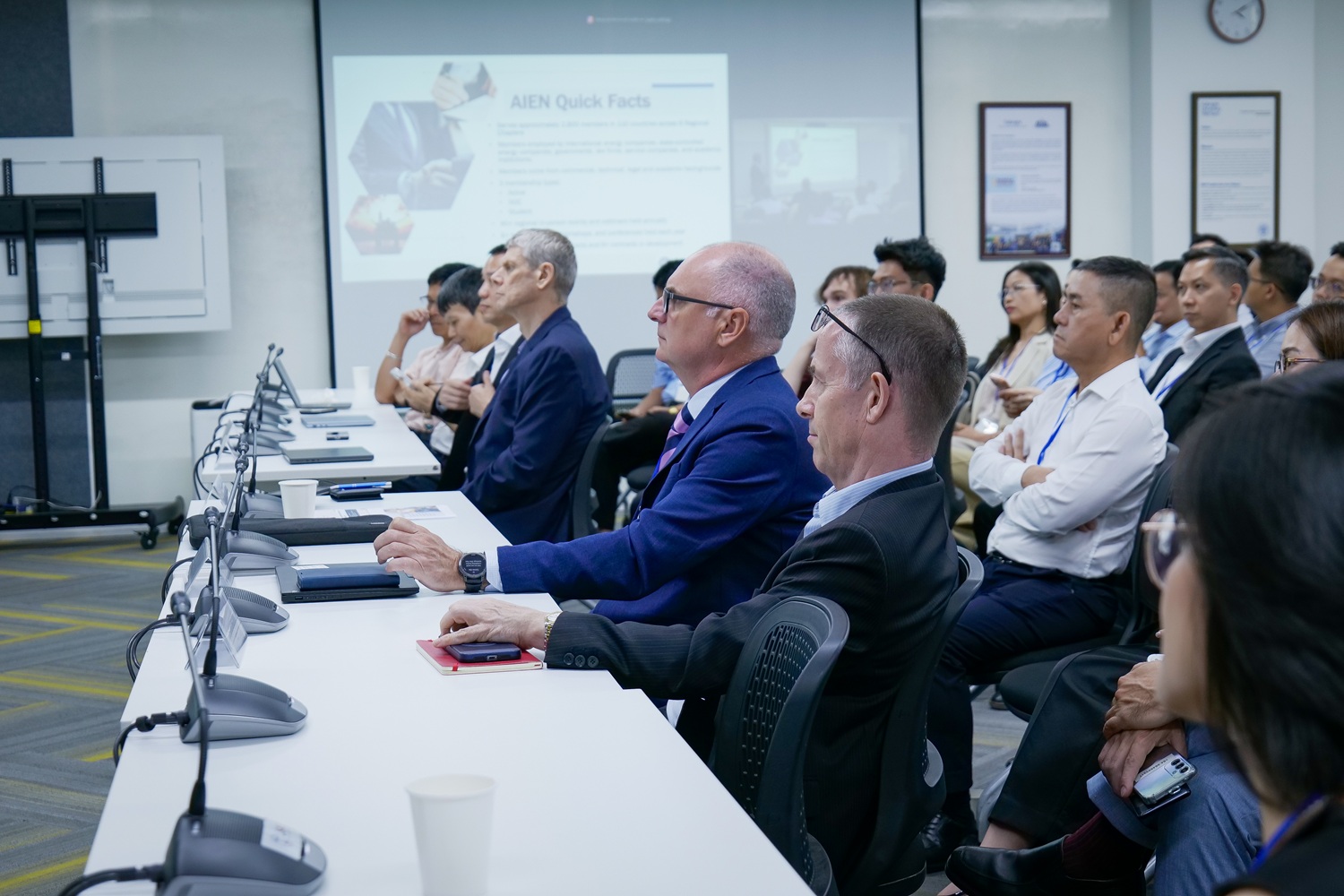
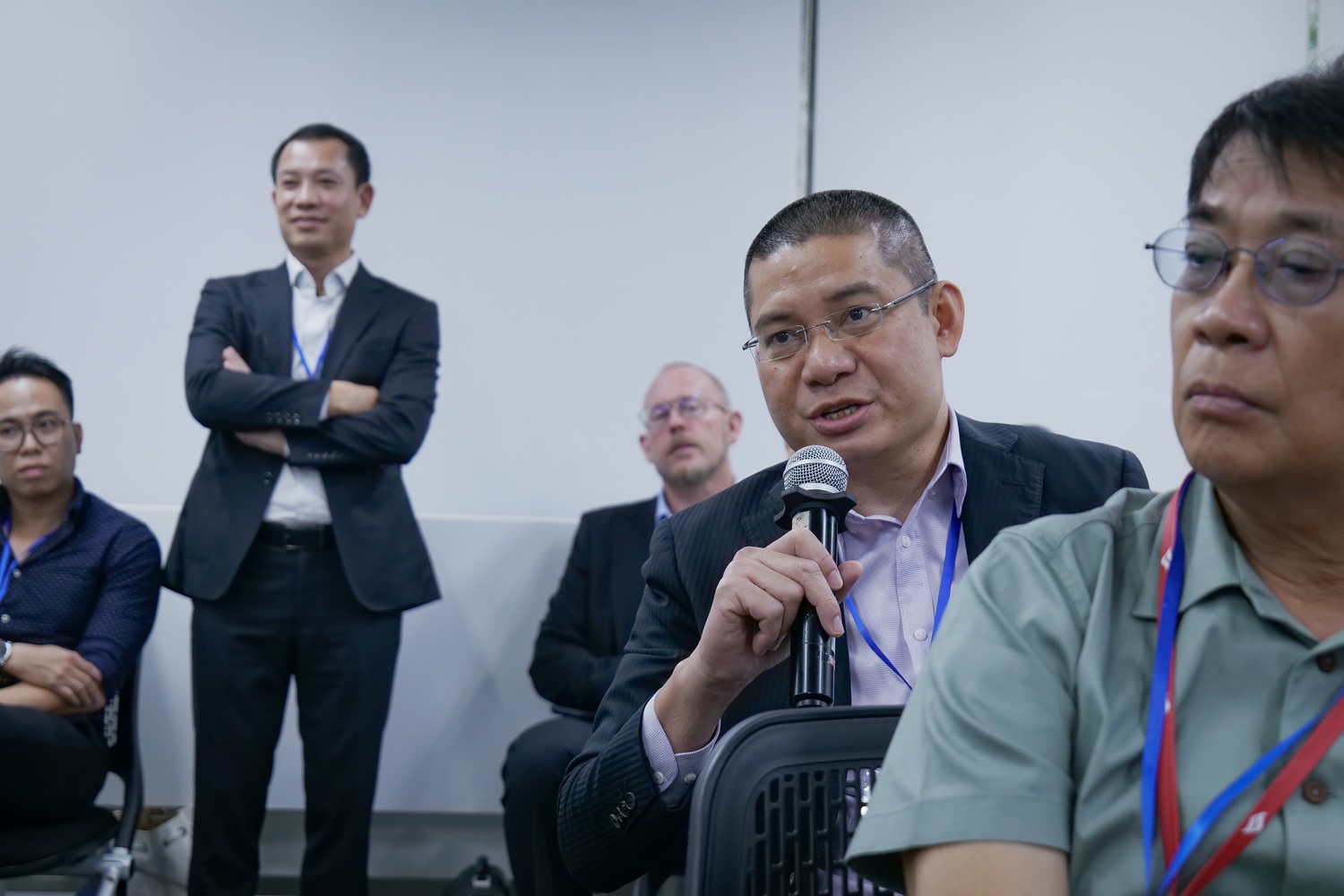
- Uyen Vu
Related Articles
LELP 2026: Strengthening Policy Dialogue and Leadership Connectivity between Vietnam and Laos
From Field Visits to Policy Insights: Local Development Lessons from LELP 2026